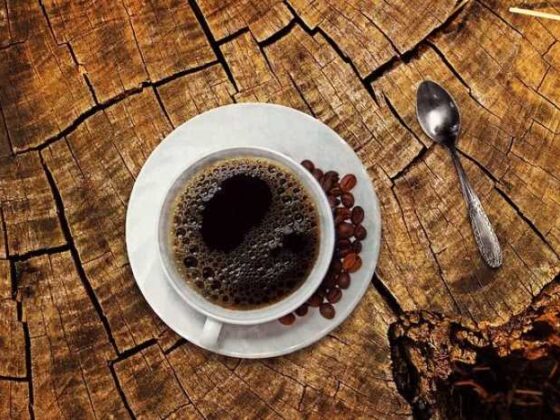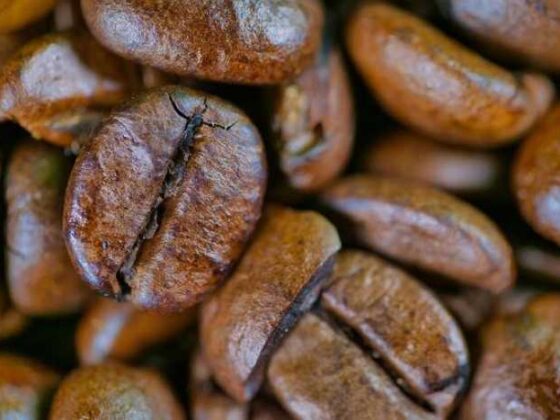
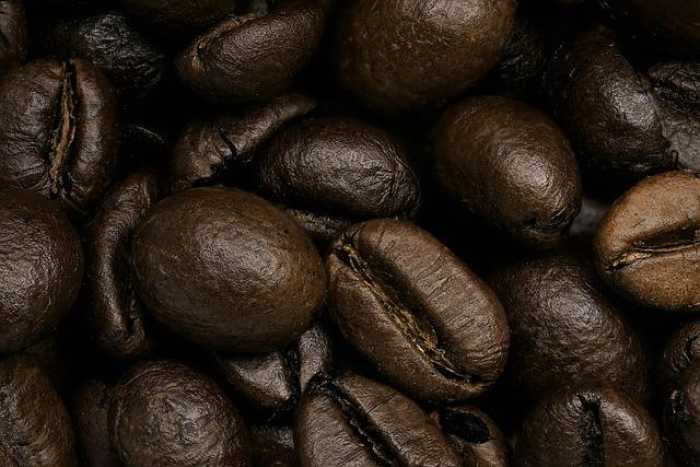
Hey there, coffee lover! ☕️ If you’ve ever strolled into a café and been hit with a mind-boggling array of coffee bean options, you’re not alone! From the rich depths of a dark roast to the bright notes of a light brew, the world of coffee beans is as vast as your favorite playlist. But don’t sweat it—today, we’re diving into the delightful (and sometiems confusing) realm of coffee bean types. So whether you’re a seasoned barista in the making or just trying to figure out what the heck a “Kenya AA” is, grab your favorite mug, get comfy, and let’s unlock the secrets of the bean together. Get ready to sip your way to coffee knowledge with “Discover the buzz: Your Guide to Coffee Bean Types!”
Understanding the flavor Profiles of Popular Coffee Bean Varieties
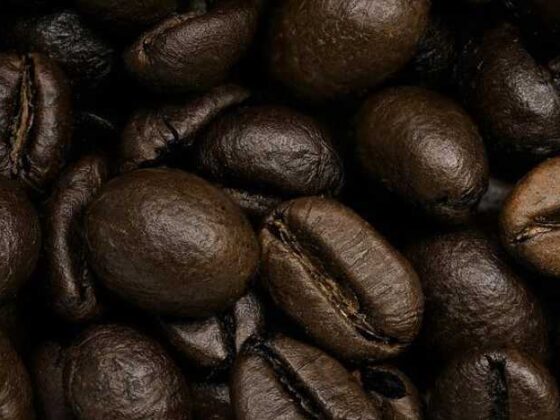
When diving into the world of coffee, it’s all about the beans! Each coffee bean variety brings its own unique flavor profile, influenced by factors such as origin, climate, and processing methods. Arabica, for instance, is known for its sweet, fruity notes and higher acidity. It’s often described as having hints of chocolate or caramel, making it a favorite among those who appreciate a smoother cup. On the flip side, Robusta beans pack a punch with their bold, earthy flavors and lower acidity. Thay often carry nutty undertones and can even taste slightly bitter. This variety is usually favored in espresso blends as it gives a rich crema and caffeine kick!
Then we have some lesser-known varieties that add phenomenal richness to the coffee game. behold Liberica, known for its unique floral aroma and a flavor that ranges from fruity to woody.It’s like coffee’s hidden gem! And let’s not forget about Excelsa beans, wich are often used in blends for their distinctive combination of tartness and dark fruity flavors. To sum it up, here’s a quick comparison table that highlights the flavors of these popular types:
| Coffee Bean Type | Flavor Profile |
|---|---|
| Arabica | Sweet, fruity, chocolatey |
| Robusta | Bold, earthy, nutty |
| Liberica | Floral, fruity, woody |
| Excelsa | Tart, dark fruity |

The Impact of Growing Regions on Your Brew
when it comes to coffee, the *terroir*—or the environmental factors of where coffee beans are grown—plays a huge role in determining the flavor profile of your brew.Just like how wine enthusiasts discuss location, coffee lovers delve into the nuances that different regions bring to their favorite beverage. specific aspects such as elevation, climate, and soil composition impart unique characteristics to the beans, creating flavors reminiscent of their home turf. For instance, beans from Colombia often showcase a bright acidity paired with caramel sweetness, while Ethiopian varieties can bring floral notes and a juicy body to your cup.
Here’s a quick rundown on some notable growing regions and the flavors you can expect:
| Region | Flavor Notes |
|---|---|
| South America | Chocolatey, nutty, and smooth |
| Africa | Fruity, floral, and bright acidity |
| asia | Earthy, spicy, and full-bodied |
| Central America | Crisp, sweet, and mild |
exploring these regions can be an exciting journey for your taste buds. Whether you prefer the dark, heavy brews from Indonesian Iskandar or the lively, vibrant flavors from Costa Rican farms, each sip tells a story of its origin.Finding your favorite type might just become your new obsession, as every cup is a passport to different cultures and climates!
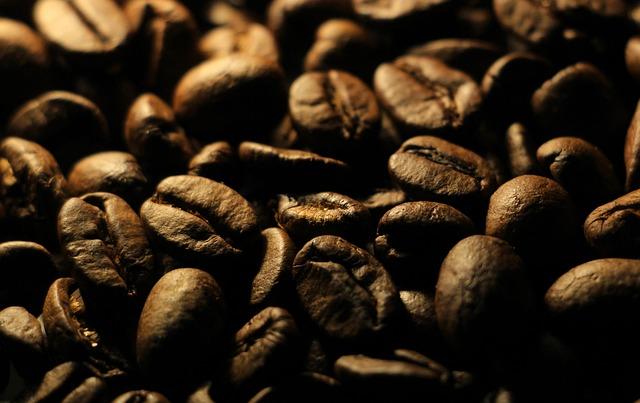
Brewing Techniques for Each Coffee Bean Type
When it comes to brewing coffee, the method can vary considerably based on the type of bean you’re working with.Arabica beans, celebrated for their sweet and nuanced flavors, are best brewed using a drip coffee maker or pour-over method. This method allows for a gentle extraction that highlights their delicate acidity and fruity notes. On the flip side, if you’re working with Robusta beans, which pack a bolder, more bitter punch, consider using a French press. This technique allows the oils to remain intact, enhancing the full-bodied richness that characterizes Robusta coffee.
For those exploring the exotic world of Liberica beans, which offer a unique smoky and floral profile, try cold brewing. The slow extraction at lower temperatures brings out their distinctive qualities without the bitterness associated with traditional brewing methods. Similarly, if you’re inclined to experiment with Excelsa beans, known for their tart and wine-like characteristics, a pour-over or siphon technique can emphasize their complex tasting notes. Here’s a quick reference chart for brewing preferences based on each bean type:
| Bean Type | Recommended Brewing Method |
|---|---|
| arabica | Drip Coffee Maker / Pour-Over |
| Robusta | French Press |
| Liberica | Cold Brew |
| Excelsa | Pour-Over / Siphon |
Sipping Smart: Choosing the right Beans for Your Mood
Choosing the right coffee beans can be as personal as your mood. When you’re feeling upbeat and energetic, light roasts are the way to go.They tend to have a brighter flavor profile, showcasing the beans’ origin with fruity and floral notes that can lift your spirits. On the other hand, if you’re winding down after a long day, you might want to opt for medium or dark roasts. These provide a fuller body and rich, bold flavors that can be incredibly comforting.The way beans are roasted significantly influences the taste, and picking the right roast can enhance how you feel.
Here’s a quick guide to match your coffee with your mood:
| Mood | Bean Type | Flavor Profile |
|---|---|---|
| Happy | Light Roast | Fruity, Bright |
| Cozy | Medium Roast | Balanced, Nutty |
| Relaxed | Dark Roast | Rich, chocolatey |
Next time you brew a cup, think about what you’re feeling and select your beans accordingly. With the right choice, your coffee ritual can not only caffeinate you but also elevate your mood, turning a simple drink into a personalized experience. happy brewing!
Q&A
Discover the Buzz: Your Guide to Coffee Bean Types!
Q: What’s the deal with coffee beans? Aren’t they all the same?
A: Oh, not at all! Each coffee bean type has its own personality. They come from different regions, have unique flavor profiles, and even grow on different trees. Just like wine, the soil, climate, and care that goes into growing the beans can change the taste dramatically. So, let’s break it down!
Q: What are the main types of coffee beans out there?
A: Great question! There are primarily four types: Arabica, Robusta, Liberica, and Excelsa. Arabica is the superstar of the coffee world, known for its smooth taste and diverse flavors. Robusta, on the other hand, packs a punch with a stronger, bolder flavor and is frequently enough cheaper to produce. Liberica and Excelsa are the funky cousins of the group, bringing unique tastes that some coffee lovers adore, while others… well, let’s just say they are an acquired taste!
Q: What’s the difference between Arabica and Robusta?
A: Picture this: Arabica is the artsy bean, thriving in high altitudes with delicate flavors and a touch of sweetness.It represents about 60-70% of the world’s coffee! Robusta is the tough one, growing at lower altitudes and being more resilient to pests. It’s got that earthy, sometimes bitter flavor and has double the caffeine kick! If you’re looking for a morning jolt, Robusta’s got your back!
Q: Why should I care about where my coffee beans come from?
A: ah, the source matters! Coffee farms in different regions have distinct growing conditions, which affect flavor. For example, Ethiopian coffee beans frequently enough have floral and fruity notes, while Colombian beans are known for their rich, nutty profiles. Plus, supporting specific regions or fair trade practices can connect you to the farmers and the communities they uplift. It’s like sipping on a full-bodied story!
Q: How do I choose the right coffee bean for me?
A: Think of it like a dating journey! experiment with different types. If you’re new to coffee,start with a light roast Arabica for a smooth intro. If you crave something stronger, dive into a bold Robusta. Don’t be afraid to try various brands and blends either—some roasters mix beans to create unique flavor experiences. And remember, your palate changes over time, so what you love now might evolve later!
Q: Are there any fun facts about coffee beans?
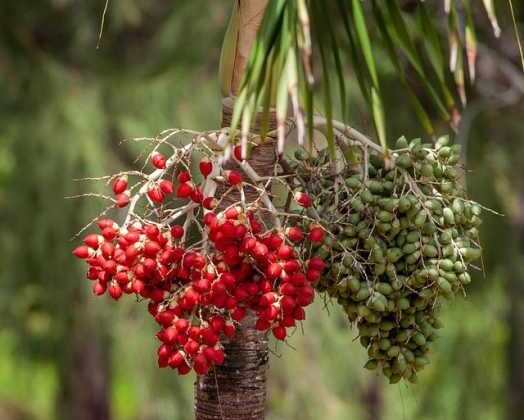
A: Oh, you bet! Did you know that coffee beans are actually seeds? They come from cherries on the coffee plant! And here’s a fun twist: the flavor of coffee beans can evolve post-roasting, so freshly roasted coffee can taste different within days. Plus,arabica beans are typically grown at higher elevations,which makes them sweeter and more flavorful. So, in the coffee world, high altitude is a good thing!
Q: What’s the best way to brew my coffee to appreciate the bean’s flavor?
A: Ooh, the brewing method can make a world of difference! For Arabica, try pour-over or French press to highlight those delicate flavors. Robusta? An espresso machine works wonders at bringing out its boldness. If you want to get fancy, consider experimenting with cold brew or AeroPress for unique taste variations. Just remember, grind size and water temperature play crucial roles in extracting those delectable flavors!
Q: Any last tips for coffee lovers?
A: Absolutely! Keep an open mind and tongue when exploring different beans. Join local coffee tasting events to learn and discover new favorites. And don’t forget to take care of your coffee; store it in an airtight container away from light to keep it fresh. Now go grab a cup and enjoy the buzz—there’s a whole world waiting inside those little beans!
So there you have it! time to dive into the appetizing realm of coffee beans and find your perfect brew. Happy sipping! ☕✨
Key Takeaways
And there you have it,coffee lovers! ☕️ Whether you’re a latte lover,an espresso enthusiast,or just someone who can’t start their day without the magical aroma of freshly brewed coffee,knowing your beans is half the battle. From the bold and adventurous Robusta to the smooth and sophisticated Arabica,each coffee bean type brings its own unique flavor and vibe to your cup.So the next time you’re in a café or browsing the aisles of your favorite grocery store, you’ll be armed with the insider scoop on what to choose. Don’t be afraid to experiment and find your perfect brew! Remember, coffee is a personal journey, so take your time, sip, and savor each cup.
Thanks for sticking around and joining me on this caffeinated adventure! If you found this guide helpful, share it with fellow coffee aficionados, and don’t forget to let me know your favorite bean in the comments below.Until next time, keep brewing and stay caffeinated! Cheers! ☕️✨