Hey there, coffee lovers! ☕️✨ Are you ready to embark on a delightful adventure that goes far beyond your morning brew? Welcome to “Journey to Your Cup: A Fun Guide to Coffee Bean Plants!” Whether you’re a casual sipper or a die-hard coffee aficionado, understanding where your favorite drink begins can deepen your thankfulness for that magical cup. From the lush, green hills of coffee farms to the little beans that make your heart race, we’re diving into the engaging world of coffee plants. So, grab your favorite mug and get comfy; we’re about to sprinkle some fun facts, quirky anecdotes, and a whole lot of coffee love into your day! Let’s get started on this aromatic journey, shall we? 🌱☕️💚
Understanding Coffee Varieties for Your Backyard Adventure
When diving into the world of coffee plants, understanding the varieties available is a delightful part of the experience. The two most significant species you’ll encounter are Arabica and Robusta. Both offer unique flavors and growing conditions that can impact your backyard adventure. If you’re looking for a smoother, more aromatic cup, Arabica is your go-to; its subtle complexities frequently enough delight coffee aficionados. On the flip side, Robusta boasts a stronger, bolder flavor with higher caffeine content, making it perfect for those who enjoy an energetic kick in their brew.
in addition to these two main types, you might stumble upon several intriguing sub-varieties as you explore. Here’s a quick list of notable options:
- Typica: Classic flavor profile with great sweetness.
- Geisha: Renowned for its floral notes and high price tag.
- Bourbon: Rich,caramel sweetness with a smooth finish.
- SL28: Known for its fruity, berry-like character.
Experimenting with different coffee plants can lead you on a thrilling journey of flavor! To help you decide which variety to grow, here’s a simple comparison table:
| Coffee Variety | Flavor Profile | caffeine Level |
|---|---|---|
| Arabica | Smooth, sweet, aromatic | Medium |
| Robusta | Bitter, earthy, strong | High |
| Geisha | Floral, fruity, elegant | Medium |
| Typica | Balanced, sweet, classic | Medium |
Essential Growing Tips for Happy Coffee Plants
To ensure your coffee plants thrive, start with the right conditions. Light is crucial; they love shining, indirect sunlight. Too much direct exposure can scorch their leaves, while too little can stunt their growth. Watering is another critical factor. use room temperature water to keep the soil moist but not soggy—like a sponge that holds moisture but isn’t dripping wet. A humidity level of around 50-60% is ideal,so consider misting your plants or using a pebble tray to create that perfect environment.
When it comes to feeding, a balanced liquid fertilizer can do wonders during the growing season.Aim for a formulation that includes nitrogen, phosphorus, and potassium to promote healthy foliage and bountiful blooms. Don’t forget about pruning! Regularly removing dead or yellowing leaves will encourage new growth and keep the plant looking fresh. Here’s a handy table to remember some essential care tips:
| Care Aspect | Recommended Tips |
|---|---|
| light | Bright,indirect sunlight |
| Watering | Moist soil,avoid waterlogging |
| Humidity | 50-60% humidity level |
| Fertilizing | Balanced liquid fertilizer in growing season |
| Pruning | Remove dead leaves for better growth |
From Seed to brew: nurturing Your Coffee Beans
Growing coffee beans is like embarking on an aromatic adventure right from your backyard! To start off, you’ll need a few essential ingredients: quality seeds, sunlight, and plenty of patience.Begin by selecting the right variety for your climate. Arabica is known for its smooth flavor, while Robusta delivers a punchy kick of caffeine. Once you’ve picked your seeds, it’s time to plant. Make sure they’re nestled in well-drained soil, ideally enriched with organic matter. in six months to a year, you’ll see your tiny seedlings transforming into flourishing coffee plants, reaching up to 6 feet tall, if the conditions are just right.
As your coffee plants grow, they will require some TLC! Regular watering is key, but be mindful of not overdoing it—remember, coffee plants love to stay damp but not soggy. Additionally, consider mulching to keep the soil moist and cool. A little pest management will also go a long way. Here’s a quick checklist to keep those plants happy:
- Watering: Deep watering twice a week.
- Sunlight: Full sun to partial shade for optimal growth.
- Pest control: Introduce beneficial insects like ladybugs to combat aphids.
- Fertilizing: Use a balanced fertilizer during the growing season.
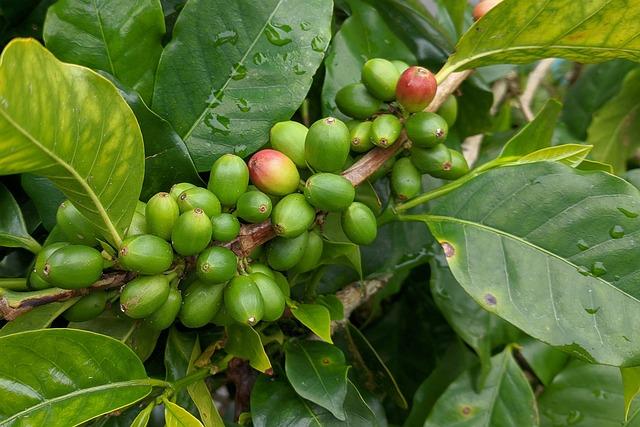
Once your plants begin to flower, get ready for the exciting part—the cherries! They’ll take about 6 to 8 months to ripen. and when they do, the vibrant red cherries will be an irresistible sight. Picking them at the right moment ensures the best brewing experience down the line. After harvesting,you’ll want to process the beans by removing the cherry skin and drying the seeds. This process is crucial as it directly affects the flavor profiles that will ultimately find their way into your cup.
Harvesting and Brewing: Enjoying the Fruits of Your Labor
After a season of nurturing your coffee bean plants, it’s finally time to reap the rewards of your hard work! When the cherries are ripe, you’ll notice their vibrant red hue, signaling that they’re ready for picking. Here’s a quick checklist to ensure a prosperous harvest:
- pick selectively: Only choose the fully ripe cherries for the best flavor.
- Handle with care: Gently remove the cherries to avoid damaging the plant.
- Store properly: Keep your harvested cherries in a cool, dry place until you’re ready to process them.
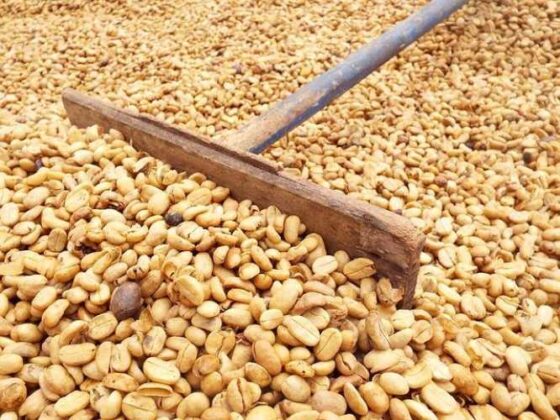
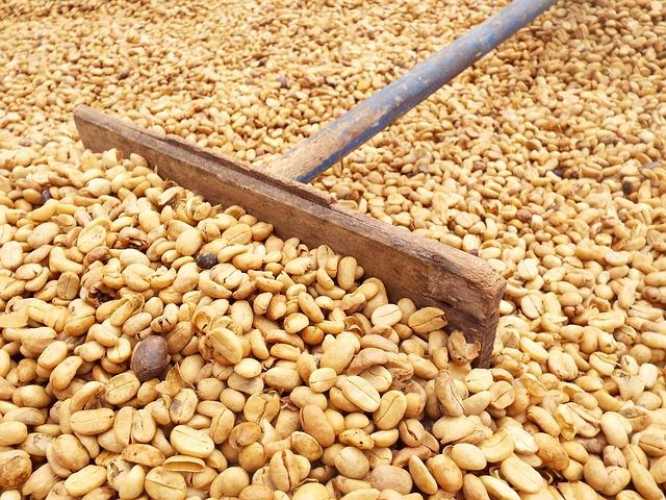
Once you’ve gathered your harvest, it’s time for the exciting brewing process! start by depulping the cherries to extract the beans. Then, it’s essential to dry the beans until they reach the perfect moisture level. Check it out in the table below for the ideal drying times:
| Drying Method | Ideal Drying Time |
|---|---|
| Sun Drying | 1-2 weeks |
| Machine Drying | 12-24 hours |
roast those beans to unleash their aromatic oils and flavors, adjusting the roast level to suit your palate.Whether you prefer a light and fruity brew or a rich and robust cup, savor every sip, knowing you’ve cultivated the entire journey from plant to cup!
Q&A
Q&A: Journey to Your cup: A Fun Guide to Coffee Bean Plants!
Q: What’s the deal with coffee bean plants? Are they really that interesting?
A: Oh, absolutely! Coffee bean plants are way cooler than you might think. They’re not just little green bushes; they have a whole life cycle, complete with flowers and cherries! Each stage of their growth tells a story about how we get our favorite morning brew. Plus,they thrive in some of the most beautiful tropical regions around the world.It’s like taking a mini-vacation when you start digging into the details!
Q: Can I grow my own coffee bean plant at home?
A: Yes, you can! Growing coffee at home is totally doable! Just remember, they need a warm and humid environment, so your living room might not be the best spot unless you’re channeling your inner coffee farmer. If you can provide plenty of sunlight and keep them well-watered (but not drowned), you could be sipping coffee from beans you grew yourself in a few years. how cool is that?
Q: What are the different types of coffee beans? Is one better than the other?
A: Great question! There are primarily two types of coffee beans: Arabica and Robusta. Arabica is known for its smooth and complex flavor,while Robusta has a stronger,harsher taste and usually contains more caffeine. Which one is better? It depends on your personal preference! Some folks love Arabica’s lighter taste,while others dig Robusta’s boldness. Why not try both and see which ride you prefer on the Java Express?
Q: How does the cultivation process impact the flavor of the coffee?
A: Oh man, the cultivation process is everything! Factors like the soil, elevation, and climate can totally shape how your coffee tastes. Such as, beans grown at higher altitudes generally develop more complex flavors. And don’t forget about the processing methods after the harvest! Whether the beans are washed, sun-dried, or fermented can dramatically change flavor profiles. It’s like a fine wine, but, you know, way better in the morning!
Q: What should I know about coffee harvesting?
A: Harvest time is when the magic happens! Most coffee plants only produce cherries once a year. It can be a pretty labor-intensive process because the cherries don’t all ripen at the same time. Some farmers actually hand-pick them to ensure only the ripest ones make it to your cup. So when you sip that appetizing brew, give a little nod to those hardworking pickers out there!
Q: Any fun facts about coffee bean plants to impress my friends?
A: Absolutely! Did you know that coffee plants can grow up to 30 feet tall in the wild? But don’t worry, they’re usually trimmed way down in plantations. Also, they can live for about 100 years! And for the cherry on top, coffee flowers smell a lot like jasmine—now that’s a sensory treat! You’ll be the life of the coffee-loving party with these tidbits!
Q: where can I learn more about coffee bean plants and how they’re grown?
A: Totally check out local coffee farms or tours if you can! They often host workshops and tastings where you can get hands-on experience. If you’re stuck at home, there are loads of documentaries and books dedicated to the coffee journey. It’s a fun rabbit hole to dive down, and you’ll appreciate your favorite caffeinated beverage even more!
So there you have it! Now you’re practically a coffee bean master. Grab some beans, brew a cup, and enjoy the delicious journey from plant to your mug! Happy sipping! ☕🌱
Concluding Remarks
And there you have it, fellow coffee lovers! Your adventure into the world of coffee bean plants has officially begun. From planting those little seeds to nurturing them into thriving plants, every step of the journey is filled with excitement and a dash of mystery. Remember,whether you’re a beginner or just looking to expand your green thumb,the key is to have fun and embrace the process.
So grab your gardening gloves, maybe a cute little watering can, and get ready to embark on a caffeinated quest right from your own backyard (or balcony!). Don’t forget to share your progress,coffee stories,and any tips you discover along the way. After all, every coffee-drinker’s journey is uniquely theirs.
now, go on, plant those beans, and may your mornings be forever caffeinated! ☕✨ Happy planting!