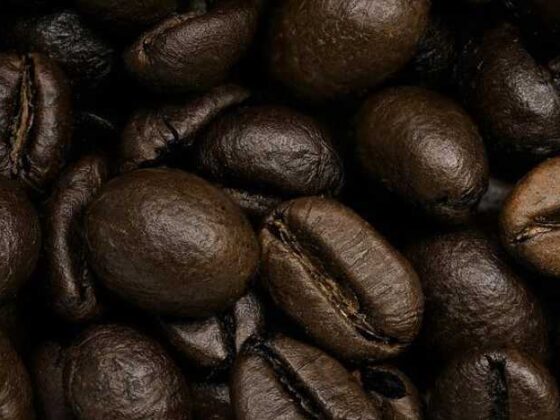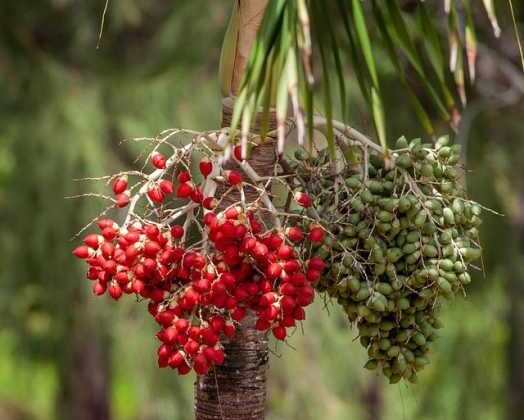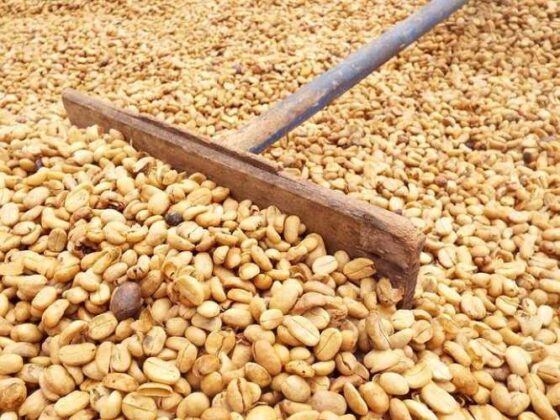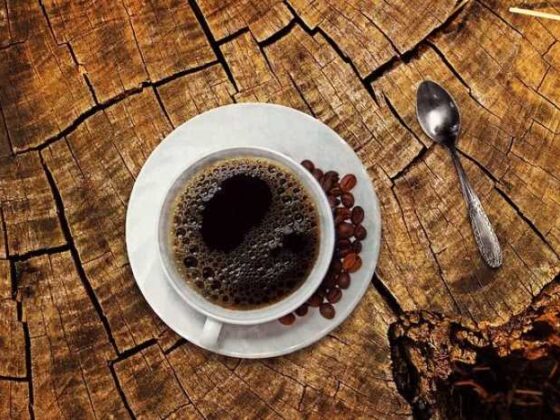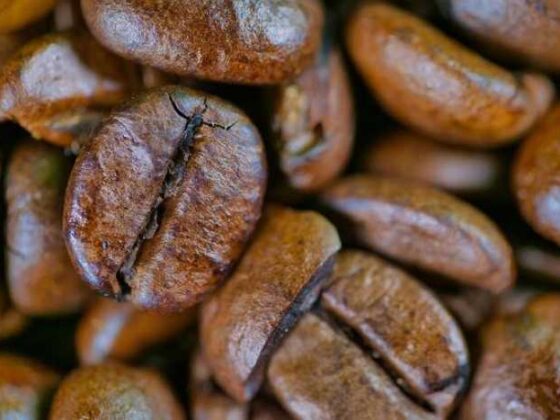
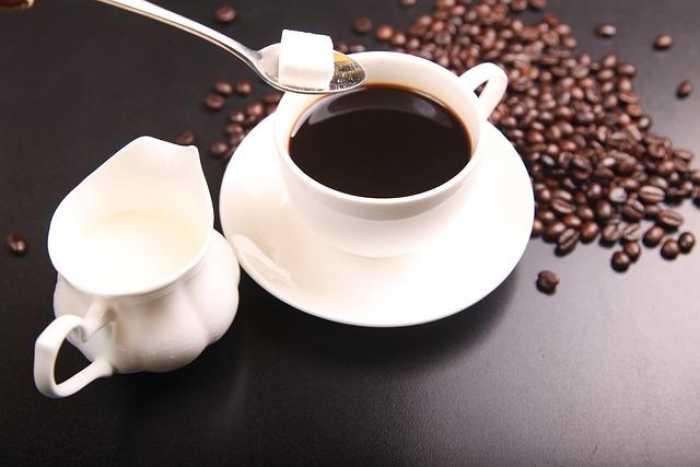
Hey there, coffee lovers! ☕️ If you’re anything like me, your day doesn’t really start until you’ve got a hot cup of joe in hand. But let’s be real—coffee isn’t just a magical liquid that wakes us up; it’s a whole world of flavors, aromas, and experiences waiting to be explored. That’s why today, we’re diving into the wonderful universe of coffee bean types! Whether you’re a casual sipper or a brew-snob in training, understanding the different beans is the first step to unlocking the perfect cup of coffee. So, grab your favorite mug, settle in, and let’s break down the basics of coffee beans in a way that’s as easy to digest as that first sip of your morning brew! 🥳✨
Exploring the Flavor Profiles of Popular Coffee Bean Varieties
Coffee lovers, rejoice! The world of coffee beans is as diverse as the flavors they offer. Each variety comes with its unique characteristics that can elevate your daily brew. Here’s a glimpse into some of the moast popular coffee bean varieties and their delightful flavor profiles:
- Arabica: Known for its smooth and mild flavor, Arabica beans often exhibit hints of fruit, sugar, and even floral notes. These beans thrive at higher altitudes, which contribute to their sophisticated taste.
- Robusta: With its strong, bold flavor and a punch of caffeine, Robusta beans are frequently enough described as earthy or woody. Great for espresso blends, they provide a full-bodied experience.
- Liberica: A unique player in the coffee world, Liberica beans have a complex flavor, often described as fruity and floral, with a distinctive woody aroma.
- Excelsa: Often mistaken for a type of Liberica, Excelsa presents an unusual profile with tart, fruity, and dark chocolate notes, adding depth to any blend.
To better appreciate the nuances, here’s a swift look at their flavor profiles in a handy table:
| Coffee Bean | Flavor Profile |
|---|---|
| Arabica | Smooth, sweet, fruity, floral |
| Robusta | bold, earthy, nutty |
| Liberica | Fruity, floral, woody |
| Excelsa | Tart, fruity, dark chocolate |
Choosing the Right Brew Method for Your Favorite Beans
When it comes to brewing your favorite coffee beans, the method you choose can dramatically alter the flavor and aroma of your drink. Each brewing technique highlights different characteristics of the beans, so picking the right one can elevate your coffee game. Consider the following methods and how they might complement your preferred beans:
- French Press: Best for bold, full-bodied beans. It allows for more oils and sediments, enhancing flavor.
- Pour Over: Perfect for bright, fruity beans. This method highlights their acidity and intricate notes.
- Espresso: Ideal for rich, dark beans. The pressure brewing extracts a concentrated flavor.
- aeropress: Versatile and simplifies the brewing process; great for both light and dark roasts!
To further simplify your selection, we’ve put together a quick comparison table of popular beans and their best brewing methods:
| Coffee bean Type | Recommended Brew Method | Flavor Highlight |
|---|---|---|
| Colombian | Pour Over | Bright and fruity |
| Sumatra | French Press | Earthy and bold |
| Brazilian | Espresso | Chocolatey and nutty |
| Light Roast | AeroPress | Floral notes |
Tips for Storing Coffee Beans to Keep Them Fresh
To keep your coffee beans fresh, it’s essential to choose the right storage method. Airtight containers are a must; opt for opaque ones that block out light and air, both of which can compromise flavor. Glass jars with rubber seals are excellent for this purpose, but if you have vacuum-sealed containers, even better! Another great tip is to store beans in a cool, dark place. This keeps them away from heat sources that can lead to oils oxidizing, which can make your coffee taste stale.
It’s also wise to buy your coffee beans in small batches to ensure maximum freshness.Coffee tastes best within a few weeks of roasting, so look for bags with roast dates. If you’re trying to stretch your supply, consider freezing beans you won’t use right away.Just remember to transfer them to an airtight container before freezing,and allow them to return to room temperature before brewing. Here’s a quick rundown of storage methods:
| Storage Method | Pros | Cons |
|---|---|---|
| Airtight Glass Jar | Great for flavor preservation | Can break easily |
| Vacuum-Sealed Bags | Best for long-term storage | Less accessible for immediate use |
| Freezer Storage | great for preserving freshness | Can introduce moisture if not sealed properly |
Brewing Your Perfect Cup: A simple Guide to Ratios and Timing
When it comes to brewing your cup of coffee, the right ratios and timing can make all the difference. Ideally, you want to aim for about 1:15 or 1:16 coffee-to-water ratio, which means for every gram of coffee, you should use about 15 to 16 grams of water. Start with this baseline and adjust according to your taste buds as the fun lies in experimenting! If you prefer a bolder flavor, increase the coffee slightly, while if you’re after a lighter cup, decrease it. and don’t forget, the grind size plays a pivotal role—finer grinds extract flavors faster, while coarser ones take longer.
Timing is equally crucial in the brewing process. Generally, aim for these steeping times, depending on your brewing method:
| Brewing Method | Recommended Steeping Time |
|---|---|
| French Press | 4 minutes |
| Pour Over | 2.5 to 3 minutes |
| aeropress | 30 seconds to 1 minute |
| Cold Brew | 12 to 24 hours |
Each brewing method offers a unique flavor profile, so don’t hesitate to play around with these times and ratios until you find the sweet spot for your perfect cup. With a bit of patience and practice,your coffee journey will lead you to the ultimate brew experience!
Q&A
Q&A: Unlocking the brew – A Casual Guide to Coffee Bean Types
Q: What’s so special about coffee beans anyway? Aren’t they all the same?
A: Oh,friend,let me grab my coffee cup and enlighten you! Coffee beans are like people—unique and diverse! They come from different plants,climates,and regions which means they all have their own “flavors” and personalities. it’s what makes your daily cup of joe such a fun experience!
Q: So, how many types of coffee beans are there?
A: Well, there are four main types of coffee beans: Arabica, robusta, Liberica, and Excelsa. But most of the coffee you’ll encounter in your local café is arabica and Robusta. Arabica is known for being smoother and more flavorful, while Robusta packs a punch with higher caffeine and bold flavor. ItS like choosing between a laid-back friend and the one who brings the party!
Q: What’s the difference in taste between Arabica and Robusta?
A: Arabica beans are the delicate flower of the coffee family—soft, sweet, and often with hints of fruit or sugar. conversely, Robusta is that no-nonsense side of coffee, with a spicier profile and earthy undertones. Think of arabica as your favorite chocolate dessert and Robusta as a strong espresso shot that gets you going!
Q: Can you explain what makes single-origin coffee special?
A: Absolutely! Single-origin coffee comes from a specific region or even a single farm. It’s like having a tasting menu where you can savor the unique flavors that come from the climate,soil,and altitude of that particular area. Think of it as a passport for your taste buds—each sip takes you on a mini vacation!
Q: Are there really coffee bean recommendations for different moods?
A: Heck yes! Need a pick-me-up? Robusta will boost your day with its strong caffeine. Looking for something creamy and mild for a cozy afternoon? go for some fresh Arabica. Planning a romantic evening? Try a smooth ethiopian Yirgacheffe for a burst of floral notes.Your mood can totally influence your brew choice—kind of like how music sets the vibe!
Q: How does roasting affect coffee flavors?
A: Great question! roasting is where the magic happens! Light roasts tend to preserve the unique flavors of the bean, often showcasing fruity or floral notes.Medium roasts balance acidity and sweetness, perfect for those who don’t want to venture too far into the dark side. Dark roasts, conversely, are rich and bold with smoky flavors. It’s all about what tickles your taste buds!
Q: What should I look for when buying coffee beans?
A: Check the roast date! Freshness is key for a good brew. Look for beans that were roasted within the last few weeks. Also,consider your brewing method—some beans work better in espresso machines while others shine in a French press. Oh, and don’t hesitate to ask for recommendations at your local coffee shop; they love sharing their coffee wisdom!
Q: Any last tips for aspiring coffee connoisseurs?
A: Don’t be afraid to experiment! Try different beans, roasting levels, and brewing methods to discover what you like best. Keep a journal of your favorites, and remember—there are no wrong choices in coffee. Drink what makes you happy, and enjoy the journey of unlocking the brew! ☕️
Key Takeaways
And there you have it, coffee lovers! You’ve just taken a delightful stroll through the aromatic world of coffee bean types. Whether you’re a die-hard Arabica aficionado or a daring Robusta rebel, there’s a perfect brew waiting for you out there. Remember, the key to unlocking your ultimate cup of joe is all about exploration—try new blends, experiment with brewing methods, and don’t be afraid to embrace that caffeine-fueled adventure!
So grab your favorite mug, put on some cozy socks, and dive headfirst into the world of brewing. Share your findings with friends, bond over taste tests, and who knows? You might end up being the local coffee connoisseur! Keep sipping, keep discovering, and most importantly, keep enjoying every tasty drop. Until next time, stay caffeinated and curious! ☕✨