Brewing Joy: A Beginner’s Guide to Coffee Bean Plants!
Hey there, fellow coffee lover! ☕ if you’ve ever dreamed of sipping on a cup of joe brewed from beans you grew yourself, you’re in for a treat! welcome to the delightful world of coffee bean plants. Whether you’re a seasoned green thumb or just dipping your toes into the gardening realm, cultivating your own coffee plants can be a rewarding and aromatic adventure. In this guide, we’ll break down everything you need to know to get started, from choosing the right variety to nurturing those little seedlings into flourishing plants.So grab your gardening gloves, and let’s dive into the joy of brewing your very own coffee right at home!
Getting to Know Your Coffee Bean Plant Basics
Growing your own coffee bean plant can be an incredibly fulfilling experience, immersing you in the delightful world of coffee from the ground up. Coffea arabica and Coffea canephora (Robusta) are the most common varieties cultivated for home gardening. Understanding their basic needs is essential for nurturing these little green wonders. Here’s what you’ll need to keep in mind:
- Light: coffee plants love bright, indirect sunlight.A spot near a window is ideal, but beware of harsh direct sun that could scorch the leaves.
- Soil: Opt for well-draining, slightly acidic soil. A mix designed for acid-loving plants is perfect.
- Water: Keep the soil evenly moist but not soggy. Overwatering can lead to root rot, so let the surface dry out slightly between watering.
- Temperature: They thrive in temperatures between 60-70°F (15-24°C), so avoid exposing them to cold drafts or extreme heat.
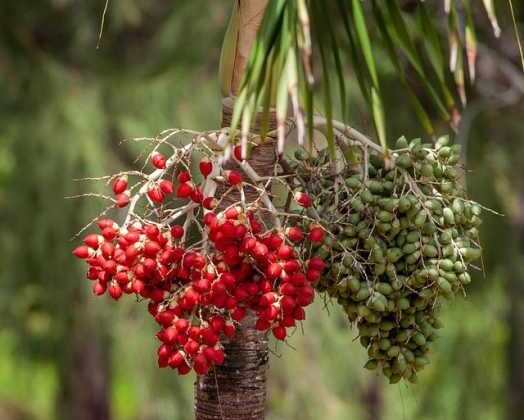
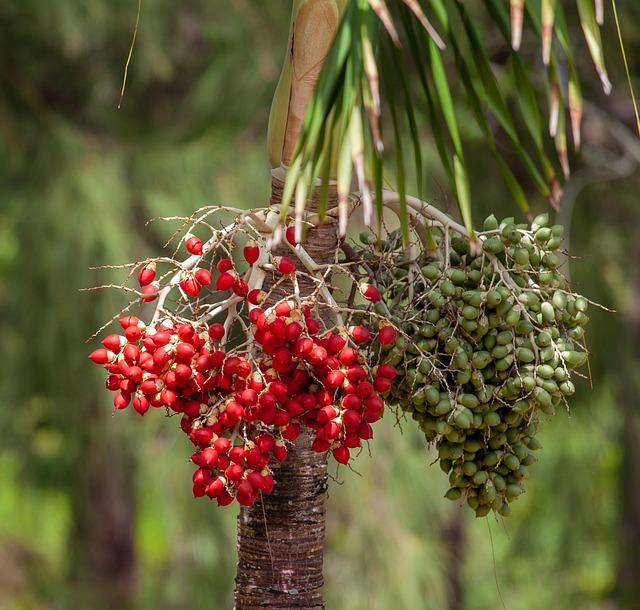
Did you know that coffee plants can even produce fragrant white flowers before bearing fruit? The flowers bloom typically in the spring, followed by green cherries that ripen over months, turning a rich, deep red when ready for harvesting. It may take a couple of years for your plant to start producing beans, but don’t fret! Patience is key in the coffee-growing journey. here’s a rapid glance at some essential care tips:
| Care Aspect | Ideal Condition |
|---|---|
| Light | Bright,indirect sunlight |
| soil Type | Well-draining,acidic soil |
| Watering | Keep soil moist,but not wet |
| Temperature | 60-70°F (15-24°C) |

The Right Spot: choosing Your Coffee Plant’s Perfect Home
Finding the perfect spot for your coffee plant is crucial for its growth and overall health. think of your coffee plant as a diva; it has its preferences! Here are a few factors to consider when selecting its new home:
- Light: Coffee plants love bright, indirect light.A south or east-facing window usually works best.
- Temperature: Keep it cozy! Ideal temperatures range from 60°F to 70°F (15°C to 24°C).
- Humidity: These plants thrive in humidity, so consider placing a humidifier nearby or occasionally misting the leaves.
Next, don’t forget about the potting surroundings. Your coffee plant will appreciate soil that allows for good drainage while retaining some moisture. Use a high-quality potting mix designed for indoor plants, or create your own with these ingredients:
| Component | Purpose |
|---|---|
| Potting Soil | Base for nutrient retention |
| Pearlite | Improves aeration |
| Coconut Coir | Boosts moisture retention |
| Compost | Provides essential nutrients |
Watering and Feeding: Keeping Your Coffee Plant Happy
To keep your coffee plant thriving, you need to master the art of watering. Overwatering is a common mistake, so let your plant guide you—wait until the top inch of soil feels dry before adding more moisture. Ideally, use filtered water to avoid chlorine and other chemicals that can stress your plant. Here’s a simple list to help you remember:
- Water when the top inch of soil is dry
- Use filtered or rainwater
- Avoid waterlogging the roots
Feeding your coffee plant is equally significant for its health. During the growing seasons of spring and summer, nourish your plant with a balanced fertilizer. Look for one that’s rich in nitrogen, phosphorus, and potassium. A monthly feeding shoudl do the trick, but always check the instructions to avoid overdoing it. Remember to take note of these tips:
| Feeding schedule | Fertilizer Type | Frequency |
|---|---|---|
| Spring | Balanced Fertilizer | Once a month |
| Summer | Balanced Fertilizer | Once a month |
| Fall/Winter | Low-Nitrogen Fertilizer | Every 2-3 months |
Harvest Time: Picking and Enjoying Your First Beans
Excitement fills the air as you approach your coffee bean plants, ready to partake in the rewarding process of harvesting your first beans. Typically, the ideal time to pick your coffee cherries is when they exhibit a vibrant red color, indicating peak ripeness. It’s essential to be thorough during your harvest; those cherries can be a bit deceptive, as some might still be green and unripe. Grab a basket and start your picking adventure! Here are some quick tips to enhance your experience:
- Timing is key: Harvest in the morning when the cherries are cool.
- Use both hands: One for holding the branch and the other for plucking the cherries.
- Patience: A little time spent picking now means flavorful coffee later!
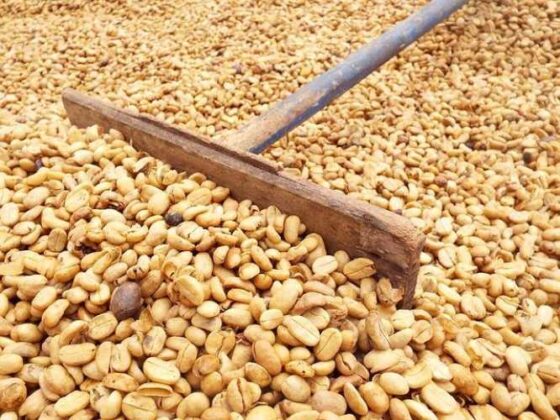
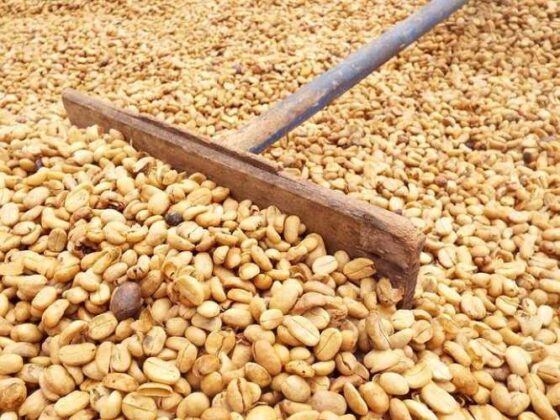
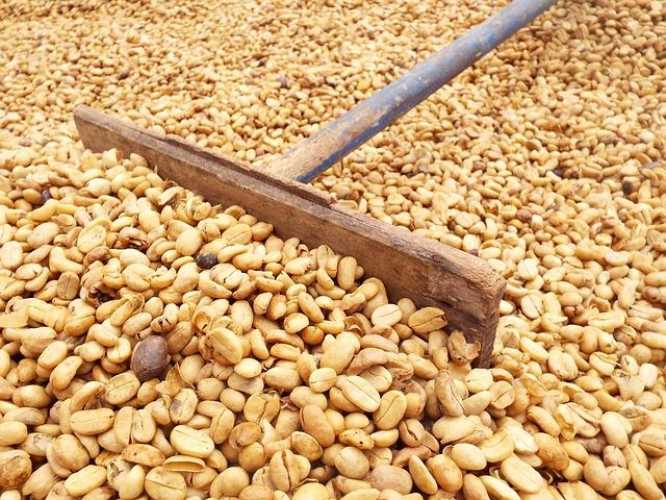
After your beans are gathered, it’s time to process them for a delightful brew. you can choose between dry processing and wet processing,each bringing out different flavor characteristics. Nonetheless of the method,ensure to keep everything clean to avoid any unwanted flavors. Here’s a simple comparison of the two methods:
| Processing Method | Flavor Profile | Time required |
|---|---|---|
| Dry Processing | Fruity, complex | 2-3 weeks |
| wet Processing | Clean, bright | 1-2 days |
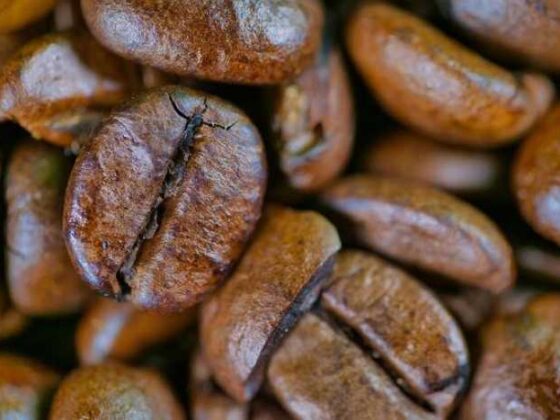
no matter which method you choose, the end result will be beans bursting with flavor and ready to roast. Each sip of your freshly brewed coffee will serve as a flavorful reminder of the hard work that went into your first harvest.
Q&A
Brewing Joy: A Beginner’s Guide to Coffee Bean Plants
Q&A Section
Q1: Can I really grow coffee bean plants at home?
Absolutely! With a little bit of patience and care, you can grow coffee plants right in your home or garden. Just make sure you have a suitable climate or a cozy spot inside that mimics tropical conditions!
Q2: What kind of coffee plants can I grow at home?
The most popular choices for home growers are Arabica and Robusta. Arabica is sweeter and more aromatic, while Robusta is stronger and has a higher caffeine content. Arabica is generally easier to cultivate indoors,so if you’re a beginner,that might be your best bet!
Q3: How much sunlight do coffee plants need?
Coffee plants love bright,indirect sunlight. If you notice the leaves starting to yellow, it could mean they’re getting too much direct sun. A nice spot near a window with filtered light is usually perfect.
Q4: What type of soil is best for coffee plants?
They thrive in well-draining, acidic soil. A potting mix specifically designed for acid-loving plants (think azaleas or blueberries) is a solid choice. Just make sure it’s nice and loose to allow for good drainage!
Q5: How often should I water my coffee plant?
Watering is key! You want to keep the soil consistently moist but not soggy. Check the top inch of the soil – if it feels dry, it’s time for a drink. In winter, you can ease up a bit as coffee plants slow down their growth.
Q6: What about fertilizing?
Coffee plants appreciate a little love in the form of fertilizer. feed them with a balanced, water-soluble fertilizer about once a month during the growing season (spring and summer). Just don’t overdo it – less is more!
Q7: How long does it take for coffee plants to bear fruit?
Patience is your best friend here! It typically takes about 3 to 4 years for a coffee plant to produce beans. But hey, the journey is part of the fun! Just think of all the joy you’ll brew when that time comes.
Q8: Can I harvest and process the beans myself?
Yes, you can! Once your coffee cherries turn a bright red, it’s time to pick them. Processing involves drying the cherries,removing the pulp,and roasting the beans. It’s a labor of love, but the satisfaction of brewing your own beans is totally worth it!
Q9: Any tips for keeping my coffee plant healthy?
Keep an eye out for pests like spider mites or aphids.Regularly check the leaves and wipe them down with a damp cloth. Also,remember to repot as your plant grows; coffee plants can get pretty big,and they love fresh soil!
Q10: What’s the most rewarding part of growing coffee plants?
The joy of nurturing a living plant that eventually gives you coffee is pretty unbeatable! Plus,you’ll impress your friends when you serve them a brew made from beans you’ve grown yourself.It’s definately a conversation starter!
So, what are you waiting for? Grab a coffee plant and start your journey into the marvelous world of home-brewed joy! ☕️🌱
In retrospect
And there you have it, coffee enthusiasts! You’re now equipped with all the basics to kickstart your journey into brewing joy with your very own coffee bean plants. Whether you want to grow them for their beauty or dream of harvesting those gorgeous cherries to create your very own cup of joe, this adventure is sure to bring happiness not just to your garden, but also to your taste buds.
Remember, every expert was once a beginner, so don’t sweat it if your first few attempts don’t go as planned—getting your hands dirty is all part of the fun! So grab those seeds, roll up your sleeves, and let your coffee adventure begin.
We’d love to hear about your experiences as you cultivate your little coffee paradise. share your journey, any tips you discover, or even your first brewing attempts in the comments below! Happy brewing, and may your plants thrive and your coffee always be rich and aromatic! Cheers! ☕🌱