
Bean There, Done That: Your Guide to Coffee Plants!
Hey there, coffee lovers! ☕️ If you’re like me, your love for coffee goes beyond that daily cup of joe. You’ve probably wondered what it takes to grow your very own coffee plants. Imagine plucking those shiny red cherries right from your backyard! Sounds dreamy, right? Well, you’re in luck! In this guide, we’re diving deep into the wonderful world of coffee plants—where they come from, how to care for them, and why you shoudl consider adding a little green to your life. So grab your favourite brew, settle in, and let’s turn you into a coffee plant connoisseur!

Unpacking Coffee Varieties: Which Bean Is Your Best Brew?
When it comes to coffee, the beans you choose can substantially affect the flavour, aroma, and overall experience of your cup. Among the myriad varieties available,the most popular include Arabica and Robusta. Arabica is known for its smooth, delicate taste and is generally considered to be of higher quality, making up about 70% of global coffee production. Robusta, conversely, brings a bolder, earthier profile and is often appreciated for its caffeine kick and resistance to pests. Of course, these are just the two heavy hitters; there’s a whole world of lesser-known beans waiting to be explored!
- Liberica: Unique and fruity, with a hint of floral notes.
- Excelsa: Tart and fruity,often used in blends to elevate flavors.
- Catuai: A hybrid that’s easy to grow, offering a balanced taste.
To help you decide which bean might suit your taste buds best, here’s a basic comparison table highlighting key attributes:
| Coffee Bean | Flavor Profile | Caffeine Content |
|---|---|---|
| Arabica | Smooth, sweet, and complex | Low |
| Robusta | Bold, bitter, with a nutty finish | High |
| Liberica | Fruity, floral, and slightly woody | Moderate |
| Excelsa | Rich, complex, and fruity | Moderate |
Exploring these coffee varieties can be a delightful journey, leading you to discover your go-to brew. So, next time you’re at your favorite coffee shop or perusing the local roastery, consider mixing things up! You might just find a new favorite in the vast world of coffee beans.
From Seed to Sip: A Beginner’s Journey in Coffee Plant Care
Growing coffee plants can be an exhilarating journey for any enthusiast.Starting from fresh coffee seeds, nurturing them through germination, and eventually watching them flourish into lush plants is truly rewarding. Here’s a swift guide to help you get started:
- Choose the Right Seeds: look for Arabica or Robusta seeds, as these are the most common varieties.
- Germination: Soak the seeds for 24 hours before planting in a well-draining potting mix.
- Watering: Keep the soil moist but not soggy; overwatering can lead to root rot.
- Light Requirements: Coffee plants thrive in partial shade; too much direct sunlight can harm them.
Once your seedlings are established, the real fun begins! Coffee plants need a bit of love and attention. Here’s how to ensure they’re happy and healthy:
| Care Aspect | Tip |
|---|---|
| Fertilizing | use a balanced fertilizer every 4-6 weeks. |
| Pest Control | Look out for common pests like aphids; organic insecticidal soap works wonders! |
| pruning | Trim dead leaves to promote healthy growth. |
| Harvesting | Patience is key! Coffee cherries take about 6-8 months to mature. |

Homegrown Happiness: Tips for Growing Your Own Coffee at Home
Growing coffee at home is a rewarding venture that elevates your gardening game and fills your living space with aromatic delight. To embark on this aromatic journey, choose the right variety; Arabica is popular for its flavor, while Robusta is robust and easier to care for. Ensure you have enough sunlight (around 4-6 hours daily) and maintain a warm habitat with temperatures between 60°F to 70°F. Water your plants regularly,but be cautious not to oversaturate the soil—well-drained soil is crucial! Here are a few tips to get you started:
- Choose a good pot: A larger pot with drainage holes aids root health.
- Fertilize wisely: Use a balanced fertilizer every month during growing seasons.
- Prune regularly: This helps in maintaining size and encourages bushier growth.
When it comes time to harvest, patience is key! Coffee cherries typically ripen in about 6-8 months, turning bright red when ready to pick. Gently handpick the cherries and be prepared to process them—this involves removing the outer fruit and drying the beans.The fun part? after drying, you can roast your beans right at home! Check out the simple roasting guide below to explore different flavor profiles:
| Roast Level | Flavor Notes | Best Usage |
|---|---|---|
| Light Roast | Fruity, floral | Pour-over, cold brew |
| Medium Roast | Nutty, caramel | Drip coffee |
| Dark Roast | Chocolate, smoky | Espresso, french press |
Brewing perfection: How to Make the Most of Your Homegrown Beans
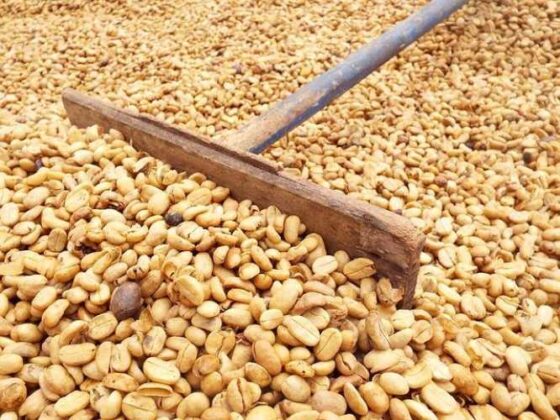
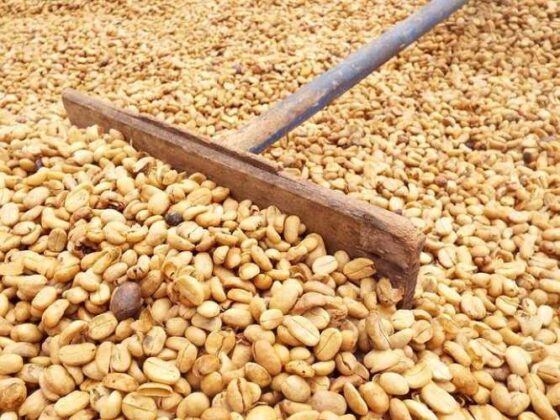
Once those beans are ready for harvest, it’s time to elevate your brew game. Start by ensuring your coffee cherries are ripe, usually a vibrant red. After picking, process the beans by laying them out to dry in a shaded area.The key here is patience; let them dry until they have a moisture content of about 11-12%. This can enhance the flavor when you finaly roast them, ensuring an aromatic coffee experience that screams homegrown.
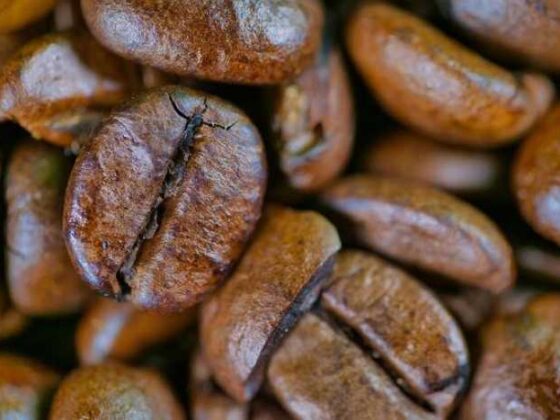
Now, onto roasting! There’s no one-size-fits-all approach, so experiment with the roast levels to find your sweet spot. Common methods include:
- Stovetop Method: Use a heavy skillet, ensuring you keep the beans moving to prevent burning.
- Oven Roasting: Spread beans evenly on a baking sheet and keep an eye on them as they transform.
- Popcorn Maker: An unconventional yet effective way that allows for even roasting.
| Roast Level | Description | Flavor notes |
|---|---|---|
| Light | Retains original bean characteristics | Fruity and floral |
| Medium | Balanced flavor with sweetness | Nutty and caramel-like |
| Dark | Bold and rich flavors | Chocolate and spice |
Once you’ve perfected the roast, don’t forget to cool them down quickly! This helps prevent over-roasting. Grind your beans just before brewing to lock in the freshness. Adjust the grind size depending on your brewing method—fine for espresso, coarse for French press. The result? A cup of coffee that’s not just a drink, but a festivity of your hard work and passion.
Q&A
Q&A: Bean there, Done That – Your Guide to Coffee Plants!
Q: What kinds of coffee plants are there?
A: Great question! The two most popular coffee plants are Arabica and Robusta.Arabica beans are known for their smooth, complex flavors, while Robusta beans pack a punch with a stronger taste and higher caffeine content. If you’re looking for a mellow morning brew, Arabica is your buddy. But if you crave a jolt of energy, go for Robusta!
Q: Can I really grow my own coffee plant at home?
A: Absolutely! Growing your own coffee plant can be a fun and rewarding project.You can start with seeds (which can take a while to germinate) or buy a young plant. Just remember: coffee plants love warmth and humidity. So, if your home is dry, you might want to invest in a little humidifier or keep it in your bathroom. It’s like creating a mini tropical paradise!
Q: How do I care for my coffee plant?
A: Caring for a coffee plant is like nurturing a little green baby! Make sure it gets bright, indirect sunlight. Water it when the top inch of soil feels dry,and don’t forget to give it some love by misting the leaves occasionally. Fertilize every month during growing season (spring/summer) to keep it happy and productive. Just be careful not to overwater—coffee plants don’t like soggy feet!
Q: When will my coffee plant produce beans?
A: patience, my friend! If you’re starting from seed, it can take 3-4 years until your coffee plant is ready to bear fruit.but once those cherries appear,it’s totally worth the wait! Just remember—your plant will need special care to produce high-quality beans,so keep up that loving energy!
Q: What’s the deal with coffee cherries?
A: Ah,the cherries! They’re the little red or purple fruits that grow on coffee plants. Each cherry typically contains two coffee beans, and they go through a pretty cool change before they’re ready for your cup. You have to harvest them when they’re ripe, process them to remove the pulp, and then dry them. Sounds like a lot of work, but once you taste your homegrown brew, you’ll feel like a total coffee rock star!
Q: Can I roast my coffee beans at home?
A: You bet! If you’re feeling adventurous, roasting your coffee beans is a great way to elevate your home brewing game. You can use a popcorn maker or a skillet—just keep an eye on those beans! They go from green to brown in a flash, and letting them cool at the right moment is key. Just remember: the darker the roast, the less acidity you’ll taste, but you might lose some of those lovely fruity notes.
Q: What’s your favorite way to enjoy coffee?
A: As an ultimate coffee enthusiast, I’d have to go with a classic pour-over! There’s something magical about watching those water drips create a stunning brew. Add a splash of cream and a sprinkle of cinnamon, and you’ve got yourself a cozy cup of happiness. Of course, I also don’t say no to a good iced latte on a sunny day!
Q: Any tips for maintaining my coffee plant’s health?
A: Definitely! Regularly check for pests like spider mites or aphids—no one wants those crashers at the coffee party! Wiping the leaves with a damp cloth will keep them clean and happy. Also, keep an eye on your plant’s overall health: yellowing leaves can indicate overwatering, while brown tips might mean it’s too dry. listen to your plant, and it’ll reward you with those tasty cherries!
Happy planting, coffee lovers! Whether you’re brewing at home or just dreaming of coffee plants, there’s always a new way to enjoy the magic of coffee! ☕🌱
Wrapping up
And there you have it, coffee lovers! You’ve journeyed through the aromatic world of coffee plants, from the lush fields to your favorite brew. whether you’re dreaming of growing your own beans or just want to impress your friends with your newfound knowledge, you’re now armed with all the deets to navigate the coffee landscape!
So, grab that cup, take a sip, and appreciate those beans a little more. Remember: every coffee comes with a story, and now you’re part of it! Got questions, tips, or your own coffee-growing adventures? Hit us up in the comments—we want to hear all about your caffeinated quests!
Until next time, keep those coffee vibes strong and your cups full. Happy brewing! ☕✨