Unlocking the Brew: Your Guide to Coffee Bean Types!
hey there, coffee lovers! ☕️ If you’re anything like us, the mere smell of fresh coffee brewing is enough to send your heart racing and your spirits soaring. But let’s face it, with so many coffee bean types out there, navigating the coffee cosmos can feel a bit overwhelming. Arabica? Robusta? Single origin? What does it all mean?! Fear not, fellow caffeine enthusiasts! In this guide, we’re going to break down the basics of coffee bean types, demystifying the world of brews and helping you discover your new favorite cup of joe. So grab your favorite mug, settle in, and let’s unlock the delicious secrets behind those little beans that fuel our daily grind (pun absolutely intended)! ☕️✨
Exploring the Flavor Spectrum of Arabica and Robusta
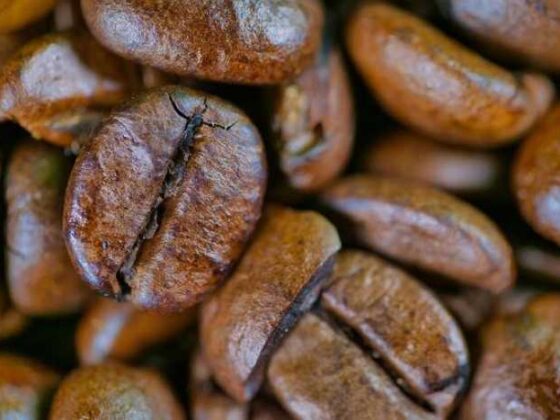
Coffee aficionados often find themselves caught in the delightful tug-of-war between Arabica and Robusta. Each bean offers a tantalizing adventure for the taste buds,but they couldn’t be more different in character! Arabica beans,known for their smooth and complex flavors,typically present notes of fruity,floral,and chocolatey undertones. Their low caffeine content and higher acidity give them a sophisticated profile, making them a favorite among specialty coffee lovers. On the flip side,Robusta packs a punch with its strong,bold taste and a nuttier profile. It’s less acidic, richer in caffeine, and is often characterized by earthy and woody notes, which appeals to those who enjoy a robust brew.
To help you navigate the flavor profiles, here’s a rapid comparison:
| Aspect | Arabica | Robusta |
|---|---|---|
| flavor | Smooth, fruity, floral | Strong, earthy, bitter |
| Caffeine Content | Low | High |
| Acidity | Higher | Lower |
| Common Uses | Specialty blends, espresso | Espresso, instant coffee |
Understanding these nuances opens up a world of flavor possibilities! Whether you’re brewing a morning cup or crafting the perfect espresso, knowing your beans allows you to select the ideal brew that suits your mood and palate. So next time you’re at your favorite café or browsing the bean aisle, you’ll have the knowledge to truly savor each sip!
The Lowdown on Specialty Coffee Beans
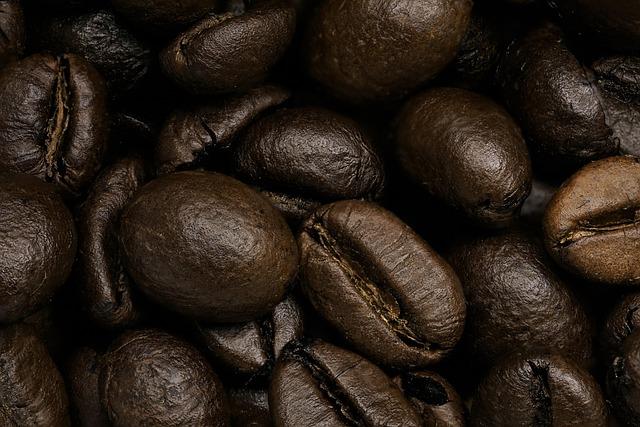
When it comes to specialty coffee beans, the world is a treasure chest brimming with unique flavors and captivating aromas. These beans are frequently enough sourced from specific regions, noted for their distinctive growing conditions, altitude, and climates. Specialty coffee is essentially graded above 80 points on a 100-point scale and comes with unique characteristics that make them stand out. Some of the standout varieties include:
- Arabica: Known for its sweet, soft taste and higher acidity.
- Robusta: Offers a strong, bold flavor with a hint of nuttiness, and often has a higher caffeine content.
- Geisha: Renowned for its floral and jasmine-like notes, it’s frequently enough considered the crème de la crème of coffee.
- Caturra: A small mutation of Arabica, celebrated for its bright acidity and complex flavor profile.
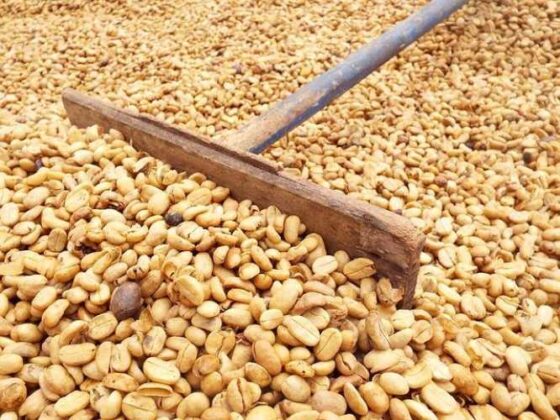
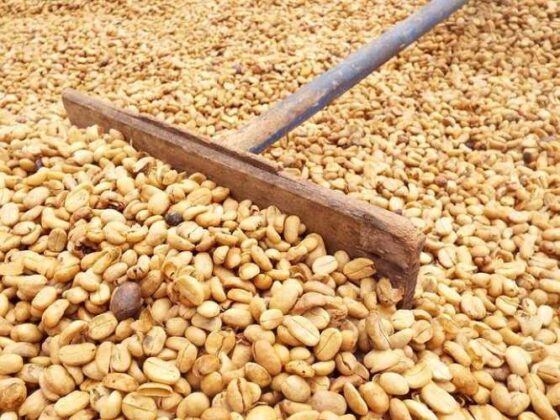
Beyond just taste, the method of cultivation and processing plays a meaningful role in defining the flavors of specialty beans. Most are grown in high-altitude farms that enhance their brightness and complexity. The processing methods—whether washed, natural, or honey—can dramatically influence flavor nuances. If you’re curious about the main processing methods, here’s a quick breakdown:
| Processing Method | Description |
|---|---|
| Washed | Beans are fermented to remove mucilage, resulting in a clean, crisp flavor. |
| Natural | Fruit is left on the bean during drying, producing sweeter, fruity flavors. |
| Honey | A blend of washed and natural methods, leaving some mucilage for sweetness and body. |
Brewing Methods That Bring Out the Best in Each Type
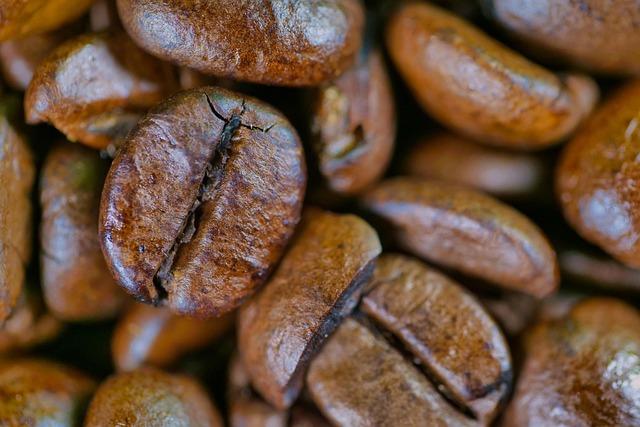
Every coffee bean type has its unique personality, and the right brewing method can really highlight those distinctive flavors. For instance, Arabica beans, known for their smooth and sweet flavor profile, shine when brewed using methods like pour-over or the french press. These techniques allow for better extraction of the subtle notes and acidity that define Arabica.Conversely, Robusta beans, with their bolder and more bitter characteristics, are frequently enough best suited for espresso or Moka pot brewing. These methods create a richer, thicker crema that enhances the robust profile while taming the bitterness with a well-balanced intensity.
Want to get a taste of each bean’s potential? Here’s a quick overview of brewing methods and the types they complement best:
| Bean Type | Best Brewing Methods |
|---|---|
| Arabica |
|
| Robusta |
|
| Libérica |
|
For those experimenting with blends, try combining multiple methods! A hybrid approach can lead to unexpected but delightful flavors. For example, an espresso shot made with a blend of Arabica and Robusta can create a complex cup that enhances sweetness while maintaining a punchy body. Remember, the world of coffee is vast, and there’s no wrong way to explore it!
Tips for Sourcing Fresh Beans Like a Pro
To find the best beans for your brew, it’s essential to know what to look for. Seek out local roasters who take pride in their sourcing; they frequently enough have fresh, high-quality offerings. Pay attention to the roast date on the bag as freshness is key, and ideally, you want beans roasted within the last two weeks. Don’t hesitate to ask questions or engage with the roaster about their beans—their expertise can lead you to your next favorite cup! Consider exploring various single-origin beans, as each region offers distinct flavors thanks to the unique terroir.
When you step into a coffee shop or market, utilize your senses. Inhale the aroma of different beans and look for vibrant colors in lighter roasts. If you’re unsure where to start, check out these flavor profiles that can help guide your selection:
| Origin | Flavor Notes |
|---|---|
| Colombia | Caramel, Nutty, Slightly Fruity |
| Ethiopia | Floral, Citrus, Berry |
| Brazil | Chocolate, Sweet, Smooth |
| Sumatra | Earthy, Spicy, Full-Bodied |
Remember, experimenting is part of the fun! Don’t shy away from trying various blends and even mixing your favorite beans for a custom taste experiance. Opt for whole beans and grind them just before brewing to preserve those incredible flavors. the world of coffee is vast and inviting, so get out there and taste your way to the perfect cup!
Q&A
Q&A: Unlocking the Brew – Your Guide to coffee Bean Types!
Q: What’s the deal with coffee bean types? Aren’t they all just coffee beans?
A: Oh, my caffeinated friend, there’s so much more to it! Coffee beans come in different varieties, each with its own unique flavor profile, aroma, and characteristics. Just like wine, the type of bean, where it’s grown, and how it’s processed can totally change your brewski.
Q: So, what are the main types of coffee beans?
A: Great question! There are primarily four main types of coffee beans: Arabica, Robusta, Liberica, and Excelsa. Arabica is the most popular and has a sweet, soft taste with hints of sugar and fruit, while robusta is bolder and more bitter, with a kick of caffeine. liberica and Excelsa are a bit more niche,with unique flavors that can be floral or fruity—definitely worth exploring if you’re adventurous!
Q: how do I know what type of bean I like?
A: The best way to figure out your favorite type is to try them all! Well,maybe not all at once,but sample different blends and single-origin brews. Keep note of what you enjoy—whether it’s a chocolatey flavor, fruity notes, or something more nutty—so you can start to see patterns in your preferences.
Q: Are single-origin beans better than blends?
A: It really depends on what you’re in the mood for! Single-origin beans are sourced from one location, offering a unique flavor that reflects their region. Blends, conversely, combine beans from different places to create a balanced profile. They both have their merits, so don’t be afraid to mix it up!
Q: Why does the roast of the bean matter?
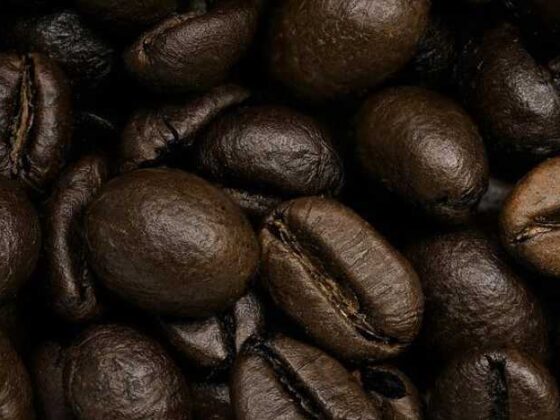
A: oh buddy, it matters a lot! Roast levels can transform the flavor of coffee. Light roasts are fruitier and retain more of the bean’s original taste, while dark roasts bring out deeper, bolder flavors, frequently enough with a smoky finish. it’s all about what your taste buds crave at the moment!
Q: How should I store my coffee beans?
A: Treat your coffee beans like the precious gems they are! Store them in an airtight container away from light,heat,and moisture. A cool, dark place is ideal—think pantry, not fridge. This will help maintain their freshness for that perfect cup!
Q: What about grinding? Coarse, medium, fine—what does it all mean?
A: Great question! the grind size affects the extraction process during brewing. A coarse grind is best for methods like French press, while medium works well with drip coffee makers. Finer grinds are perfect for espresso. Experimenting with grind sizes can unlock some serious flavor!
Q: Any tips for brewing the perfect cup?
A: Absolutely! Invest in a good-quality coffee maker or a pour-over setup, measure your coffee to water ratio (1:15 is a good start), and be mindful of brewing temperatures—ideally around 195°F to 205°F. And don’t forget to enjoy the process! Brewed coffee is just one delicious step, but the ritual is half the fun.
Q: what’s your favorite bean type?
A: I have to say, it’s a tough call! I lean towards Arabica for that smooth sweetness, but there’s something magical about a well-done dark roast Robusta. Each day is a new adventure in the world of coffee, and who doesn’t love a little variety?
Got more questions? Don’t hesitate to drop them in the comments! Let’s brew some conversation! ☕✨
The Conclusion
And there you have it, fellow coffee aficionados! 🎉 You’re now armed with the knowledge to unlock the world of coffee beans and make every sip a delightful experience. Whether you’re a die-hard Arabica advocate or intrigued by the robust charm of Robusta, remember that your perfect cup might just be waiting to be brewed.
As you venture out to explore different roasts, don’t be afraid to experiment—there’s no right or wrong when it comes to your taste buds! So, grab your favorite mug, fire up that coffee maker, and get ready to impress your friends (or just indulge in a well-deserved solo coffee date). ☕️✨
Got any coffee bean tips or your own flavor discoveries? Drop them in the comments below! Let’s keep the conversation brewing. Until next time, happy sipping! ✌️