
Brewing Passion: A Casual Guide to Coffee Bean Plants!
Hey there,coffee lovers! If you’re anything like me,your day doesn’t really kick off until you’ve had that first magical sip of your favorite brew. But have you ever wondered where that delightful cup comes from? Spoiler alert: it starts with the humble coffee bean plant! 🌱☕ Whether you’re a casual coffee drinker or a full-on caffeine enthusiast,there’s something incredibly satisfying about connecting with the origins of your beloved java. In this laid-back guide, we’ll dive into the interesting world of coffee bean plants—how to care for them, the different varieties out there, adn maybe even how to grow your own right at home! So grab your favorite mug, settle in, and let’s get brewing on this exciting journey from seed to sip!
Understanding the coffee Bean Plant Basics
The coffee bean plant, known scientifically as Coffea, is a fascinating little wonder that requires some love and attention to flourish. These evergreen shrubs typically grow about 3 to 12 feet tall,adorned with glossy green leaves and small white flowers that emit a delightful fragrance. To get started, here are a few essentials to know about growing your own coffee plant:
- Climate: Coffee plants thrive in tropical and subtropical climates, preferring temperatures between 60°F to 70°F.
- Soil: They enjoy well-draining, nutrient-rich soil, ideally with a pH level between 6 and 6.5.
- Water: Regular watering is a must, but avoid waterlogged roots as this can lead to root rot.
The Coffea Arabica and Coffea Canephora (commonly known as Robusta) are the two main species cultivated for coffee production.While Arabica tends to produce a premium flavor and is generally grown at higher elevations,Robusta plants are hardier and contain more caffeine. Below is a fast comparison of the two:
| Feature | Arabica | Robusta |
|---|---|---|
| Flavor Profile | Softer, sweeter | Strong, bitter |
| Caffeine content | Lower | Higher |
| Growing Altitude | Higher elevations | Lower elevations |
Choosing the Right Variety for Your Home Garden
When deciding on the perfect coffee bean variety for your home garden, it’s essential to consider factors like climate, space, and your personal preferences. Here are some popular varieties to look into:
- Arabica: Known for its sweet, complex flavors, Arabica beans thrive in cooler climates and are best suited for gardeners in temperate zones.
- Robusta: This hardy variety is more resistant to pests and diseases, making it a great choice for beginners or those in warmer areas. Plus, it packs a punch with a higher caffeine content!
- Liberica: Unique in aroma and flavor, Liberica is perfect for adventurous gardeners looking to diversify their coffee collection with a robust and floral cup.
Understanding your garden’s conditions can narrow down your options even further. Here’s a quick comparison of the three main varieties to help you decide:
| Variety | Flavor Profile | Growing Conditions |
|---|---|---|
| Arabica | Sweet,Complex | Cooler climates,well-drained soil |
| Robusta | Strong,Earthy | Warm climates,hardy nature |
| Liberica | Floral,Fruity | tropical,humid conditions |
Nurturing Your Beans: tips for Soil and Watering
Nurturing your coffee beans begins with the right soil. Your plants thrive best in a well-draining,nutrient-rich medium that mimics their natural tropical habitat. Consider using a mix of potting soil, compost, and perlite to create a breathable habitat. Here are a few tips to keep in mind:
- pH Balance: Aim for a slightly acidic soil with a pH between 6.0 and 6.5.
- Nutrition: Incorporate organic fertilizers to provide essential nutrients.
- Drainage: Ensure that your pots have drainage holes to prevent waterlogging.
watering is another critical factor that directly affects your coffee plants’ growth.The key is to maintain consistent moisture without oversaturating the soil. A simple rule to follow is to check the top inch of soil—if it feels dry, it’s time to water! Here’s how you can optimize your watering routine:
| Watering Time | Tips |
|---|---|
| Morning | Water in the morning to avoid evaporation. |
| Evening | Check soil moisture before watering in the evening. |
Additionally, consider that coffee plants enjoy humidity, so misting the leaves or placing a pebble tray filled with water near them can add that extra touch of comfort. With the right care in soil and watering, your plants will thrive, bringing you one step closer to a delightful brew!
Harvesting and Brewing Your Own Coffee Delight
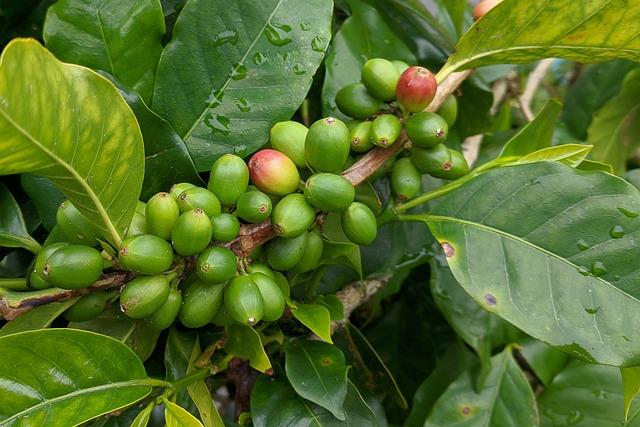
Harvesting coffee beans is like unearthing a hidden treasure, filled with the thrill of nurturing your own plants and the aroma of fresh coffee wafting through the air. Once your coffee cherries are ripe, wich typically means they’ve turned a vibrant red, it’s time to handpick them. Here’s a quick checklist to make the most of your harvest:
- Look for cherries that are plump and deep red.
- Avoid those that are overripe or have begun to shrivel.
- Harvest in the early morning or late afternoon to avoid the heat of the sun.
- Use a gentle twisting motion to detach the cherries without damaging the plant.
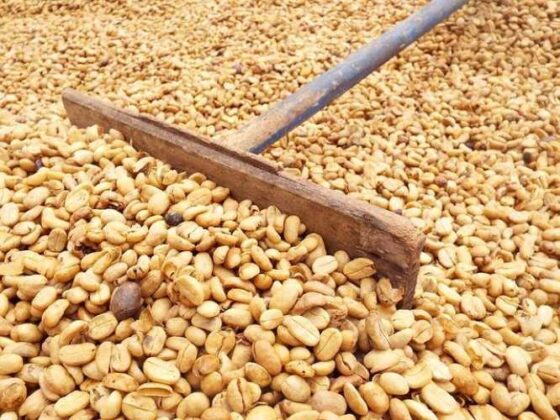
Once you’ve gathered your beans, the next step is to transform them into your delightful brew. Begin with a process called wet processing, where you remove the fruit from the beans, leaving only the seed. Then, dry the beans in the sun or a dehydrator until they’re crispy. For brewing, you’ll want to experiment with different methods—like the trusty French press or the classic pour-over. Each method can bring out unique flavors and aromas. Here’s a simple guide to brewing:
| Brewing Method | Time | Flavor Profile |
|---|---|---|
| French Press | 4 minutes | Full-bodied & robust |
| Pour-Over | 3-4 minutes | Crisp & clean |
| Aeropress | 1-2 minutes | Intense & smooth |
Q&A
Q&A: Brewing Passion – A Casual Guide to Coffee Bean Plants!
Q: What’s the deal with coffee bean plants? Are they hard to grow?
A: oh, coffee bean plants are surprisingly fun to grow! They’re like the tropical vacation of the plant world. While they do require some specific conditions—like warmth, humidity, and indirect sunlight—they’re not as fussy as you might think. Just think of them as your laid-back buddy who needs a bit of pampering now and then!
Q: Can I really grow coffee at home?
A: Absolutely! Just imagine sipping coffee made from beans you grew yourself—that’s the dream, right? If you live in a warm climate, you’re in a great spot, but even if you’re in a cooler area, you can grow these little beauties indoors. Just grab a pot, some quality seeds, and a sunny windowsill!
Q: What’s the ideal environment for a coffee bean plant?
A: Coffee bean plants love a cozy, humid environment. Aim for temperatures between 60-70°F (15-24°C) and keep humidity high. You can create a little greenhouse vibe by misting the leaves or using a pebble tray with water. They also need well-draining soil, so make sure you’ve got that covered!
Q: How long does it take for coffee plants to produce beans?
A: Patience is key, my friend. Your coffee plants will likely take about 3-5 years to start producing beans. It’s like waiting for the perfect cup of coffee – the anticipation makes it all the more rewarding.
Q: What’s the deal with harvesting coffee beans?
A: Once your coffee cherries turn a beautiful red,it’s harvest time! The trick is to pick them at just the right moment. Too early and they’ll be sour, too late and they could be bland. after harvesting, you’ll need to process them by washing and drying the beans. It’s a bit of work, but trust us, it’s worth it when you sip that homemade brew!
Q: Do I have to roast the beans myself?
A: If you want the full experience, then yes! Roasting your own beans can be super satisfying. You can do it in a skillet, popcorn maker, or a roaster. Just keep an eye on them—it’s like watching your favorite show, you don’t want to miss the good part!
Q: Any tips for keeping coffee plants happy?
A: You got it! Regularly water them, but avoid overwatering—no one likes soggy roots. Fertilize every couple of months during the growing season, and keep those pesky pests away. Additionally,give them a gentle prune every year to encourage bushier growth.
Q: What’s the biggest misconception about coffee plants?
A: A lot of folks think that coffee plants are way too high-maintenance or can only grow in exotic places. But once you get the basics down, it’s pretty chill! Plus, they’re super rewarding, both as houseplants and for the beautiful beans they produce.
Q: Why should I consider growing my own coffee?
A: Beyond the bragging rights of drinking homegrown coffee, it’s a fun and engaging hobby! It connects you more with your brew, helps you learn about the entire coffee process, and there’s nothing quite like the feeling of sipping coffee made from your own labor. You’ll definately impress your friends!
So, what are you waiting for? Grab a pot and get ready to embark on your coffee-growing journey.It’s time to brew some passion! ☕️🌱
In summary
And there you have it, coffee lovers! 🥳 You’ve journeyed through the aromatic world of coffee bean plants, uncovering tips and tricks to nurture your very own green friends. Whether you’re a casual drinker or a hardcore coffee connoisseur, growing your own coffee can be a rewarding and surprisingly fun adventure.
Remember, it’s not just about the end product; it’s about enjoying the process—like savoring that first sip of freshly brewed homegrown coffee. So grab your seeds, dig into some potting mix, and get ready for the fragrant journey ahead! 🌱☕
If you have any questions or want to share your own coffee-growing stories, drop a comment below! and don’t forget to hit that subscribe button for more fun coffee content. Until next time, keep brewing that passion and may your days be filled with great coffee and good vibes! Cheers! ☕❤️