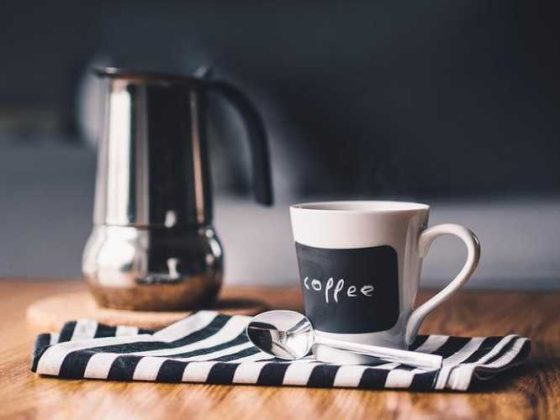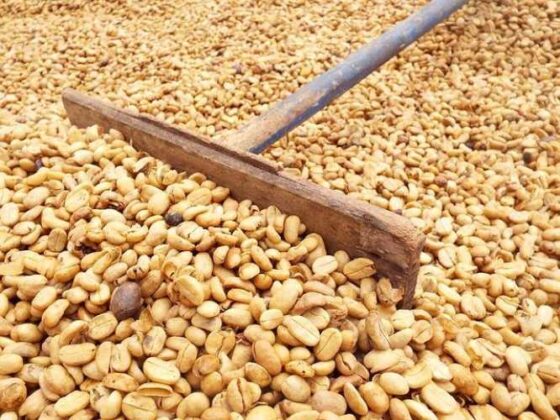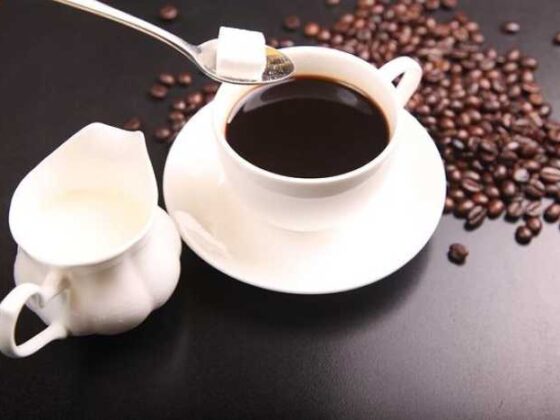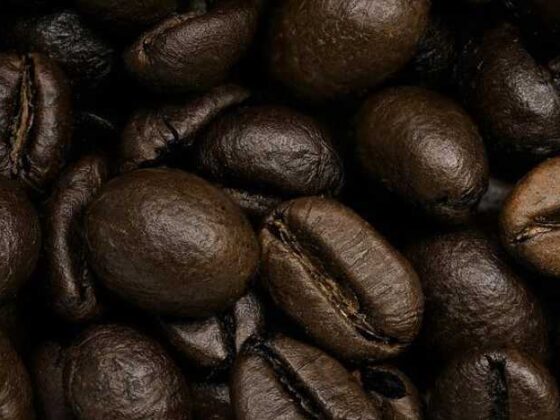

Hey there,coffee lovers! ☕️ Are you ready too dive deep into teh aromatic world of coffee beans? Whether you’re a casual sipper or a full-blown caffeine connoisseur,understanding the different types of coffee beans can truly elevate your java game. From the rich, bold flavors of arabica to the zesty, punchy kick of Robusta, there’s a whole universe of coffee bliss just waiting for you to explore. In this article, we’ll break it all down in a fun, easy-to-digest way—so no need for a PhD in coffee science! Get comfy, grab your favourite mug, and let’s embark on this caffeinated adventure together. Who knows, you might just find your new favorite brew along the way! ☕✨
Exploring the Flavorful World of Coffee Bean Varieties
Coffee is much more than a morning routine; it’s an adventure for your taste buds! With countless varieties of coffee beans, each type brings its own unique flavor profile, aroma, and personality to the cup.Whether you prefer the robust, earthy tones of a Sumatra or the radiant, fruity notes of a Yirgacheffe, there’s a world of flavors waiting to be discovered. Dive into the delightful diversity of coffee bean types:
- Arabica: Known for its smooth, sweet taste and complex acidity, Arabica beans are most popular in specialty coffee.
- Robusta: Strong and slightly bitter, Robusta beans pack a punch and have higher caffeine content, making them great for espresso.
- Liberica: With a uniquely floral aroma and fruity flavor, Liberica beans are less common but provide a delightful surprise.
- Excelsa: Often used in blends, Excelsa beans bring tart and fruity notes, enhancing the complexity of the brew.
To help you navigate the delightful maze of flavors, here’s a swift comparison of some popular coffee bean varieties:
| Bean Type | Flavor Profile | Caffeine Level |
|---|---|---|
| Arabica | Smooth, Sweet, Fruity | Low to Medium |
| Robusta | Bitter, Earthy | High |
| Liberica | Floral, Fruity | Medium |
| Excelsa | Tart, Fruity | Medium |
From Arabica to Robusta: Finding Your Perfect brew
When it comes to coffee, not all beans are created equal! Understanding the differences between Arabica and Robusta is crucial for any coffee lover looking to find their perfect brew. Arabica beans are known for their smooth, complex flavors, featuring delightful hints of fruit and sugar. They thrive in higher altitudes and are generally considered to be of superior quality. You might enjoy them in your morning drip coffee or as a base for a fancy latte. On the other hand, Robusta beans are hearty and bold. They pack a caffeine punch and are often described as earthy with a hint of nuttiness. Robusta’s resilience allows it to grow well in harsh conditions, making it a popular choice for espresso blends and instant coffee enthusiasts.
Here’s a quick comparison to help you decide:
| Attribute | Arabica | Robusta |
|---|---|---|
| Flavor Profile | Smooth, complex | Bitter, earthy |
| Caffeine Content | Lower | Higher |
| Price | Usually more expensive | Generally cheaper |
| Best Uses | Espresso, drip coffee | Espresso blends, instant coffee |
Choosing between these two varieties is all about your taste preference and how you like to enjoy your coffee. If you revel in a nuanced cup with a touch of sweetness,go for Arabica. But if you crave that strong, familiar jolt of energy, Robusta might just become your go-to. So next time you browse the coffee aisle, remember to consider what each type has to offer—after all, coffee is an adventure just waiting to be brewed!

Roasting Levels Explained: The Key to Your Coffee Vibe
When diving into the world of coffee, understanding roasting levels is like unlocking the secret door to your perfect brew. Imagine each roasting level as a unique personality, adding its own charm to the coffee experience. Here’s a quick overview of the roast styles:
- Light Roast: Bright, fruity, and full of acidity, these beans keep their original character. Think floral notes and a tea-like body.
- medium Roast: Finding a sweet spot, this roast balances acidity and body, boasting chocolatey undertones and a floral aroma.
- Dark Roast: Bold and robust, dark roasts offer a smoky, sometimes bitter flavor with low acidity. Ideal for those who appreciate a strong cup.
Each roasting level can transform your brew from a delicate whisper to a bold shout, influencing not just the taste but also the aroma and even the caffeine content. Wondering how that translates into your cup? check out this handy comparison:
| Roast Level | Flavor profile | Caffeine Content |
|---|---|---|
| Light | Floral, Fruity | Higher |
| Medium | Chocolatey, Balanced | Medium |
| Dark | Bold, Smoky | Lower |
Tips for Choosing the Right Beans for Your Brew Method
When it comes to selecting the perfect coffee beans for your brew method, understanding the unique characteristics of each bean type is essential.Different brew methods highlight various flavor profiles, so it’s important to match your beans accordingly. For a good espresso, such as, you’ll want beans with a rich crema and a full-bodied flavor. Consider blends that include Arabica and Robusta for that appetizing crema and complexity. Simultaneously occurring, if you’re using a French press, coarser grind beans are ideal—look for dark roasts that offer robust, earthy notes to stand up to the brewing time.
As you explore bean options, don’t forget to look at their origin and roast level. Single-origin beans from regions like Colombia or Ethiopia can provide unique and delightful flavors that enhance your chosen brewing method. As an example:
- Colombian beans: Great for drip coffee, offering a well-rounded taste.
- Ethiopian Beans: Perfect for pour-over methods, frequently enough with fruity and floral notes.
- Sumatra Beans: Excellent for French press, known for their bold, earthy flavors.
Experimenting with different roasts—light, medium, dark—will also transform your coffee experience, allowing you to discover what tantalizes your taste buds the most.
Q&A
Q&A: Brewing Bliss – A Fun Guide to Coffee Bean Types!
Q1: Why should I care about coffee bean types?
A1: Oh girl, it’s like asking why you should care about ice cream flavors! Different coffee bean types can seriously change your daily brew from “meh” to “YASSS!” Whether you want something fruity, nutty, or decadent, knowing your beans can elevate your coffee game to the next level.
Q2: what are the main coffee bean types I should know about?
A2: You’ve got your classic trio: Arabica, Robusta, and Liberica. Arabica is the diva of the group, known for its sweet and complex flavors. Robusta is like the rugged outdoorsy friend—bold and packed with caffeine. Liberica? Well, it’s the quirky one with a smoky, floral vibe that might not be everyone’s cup of coffee (pun intended).
Q3: What’s the difference between Arabica and Robusta?
A3: Imagine Arabica as the artsy hipster with a penchant for fancy lattes, while Robusta is the hardworking barista brewing black coffee all day. Arabica has lower caffeine, sweeter, and more nuanced flavors. Robusta, on the other hand, is stronger, more bitter, and gives that extra kick to your morning routine.
Q4: How do I find my favorite coffee bean type?
A4: Time to experiment! Hit up your local coffee shop and try different blends. Ask the barista for recommendations based on your taste preferences. You might like fruity notes or chocolatey undertones—it’s a little coffee adventure! Also, consider brewing methods, as some beans shine in a French press while others rock in an espresso machine.
Q5: Can I mix beans?
A5: Heck yes! Blending beans can create a personal flavor bomb.Mix Arabica for sweetness and Robusta for strength, or get wild with flavors from different regions. Just keep tasting until you find your perfect blend, and don’t be afraid to get creative!
Q6: What about single origin vs. blends?
A6: Single origin means all your coffee is from one specific place, giving you unique flavors based on the region (think bright flowers from Colombia!). Blends, on the other hand, mix beans from various sources for a perfectly balanced flavor. Totally depends on your mood—sometimes you’ll crave that one unique taste, and other times you just want a balanced cup that’s reliable.
Q7: Do fresher beans really make a difference?
A7: OMG, YES! Fresh beans keep all those delightful flavors locked in. Try to buy whole beans and grind them just before brewing. Stale beans are like leftover pizza—sometimes fine, but fresh is always better!
Q8: Any tips for brewing the best coffee from my beans?
A8: Absolutely! Invest in a good grinder, don’t skimp on the quality of water (filtered is best), and pay attention to your brew time! Experiment with ratios of coffee to water, and always taste as you go. Coffee brewing is like art—make it your own!
Q9: What’s the final secret to coffee bliss?
A9: The ultimate secret: drink what you love! Coffee is personal, and everyone has their faves. Whether you’re sipping on a bold dark roast or a light citrusy brew,provided that it brings you joy,you’ve hit the jackpot. Cheers to your coffee journey! ☕✨
Key Takeaways
And there you have it, coffee lovers! Armed with this fun guide to coffee bean types, you’re now ready to embark on your brewing bliss journey. Whether you’re team Arabica,riding high on the smooth and balanced,or you can’t get enough of the bold and brawny Robusta,the world of coffee is as rich and diverse as the beans themselves.
Remember, the best cup of coffee is the one that makes you say, “Ahhh!” So get out there, experiment with different beans, and find your perfect brew. Don’t be afraid to mix and match, explore local roasters, or even try your hand at roasting your own beans. Cheers to more adventures in every delightful cup!
If you have questions,stories,or favorite blends to share,drop them in the comments below—let’s keep the coffee conversation brewing! Until next time,happy sipping! ☕️✨