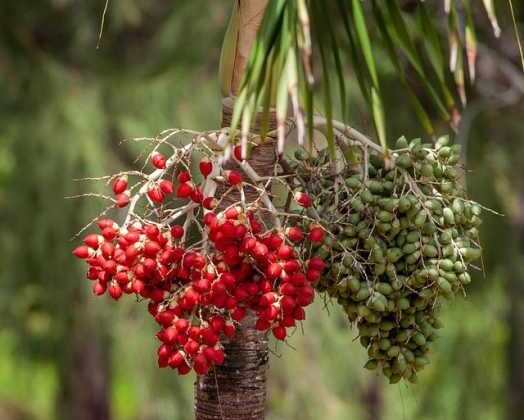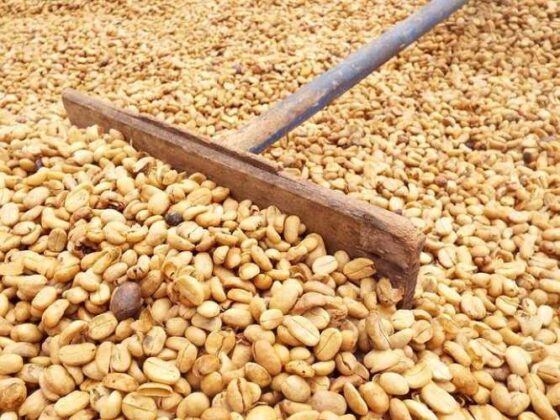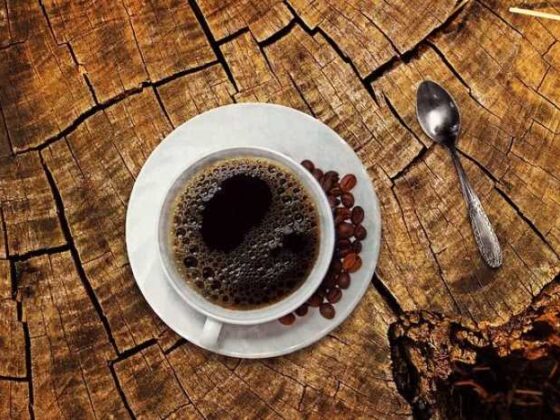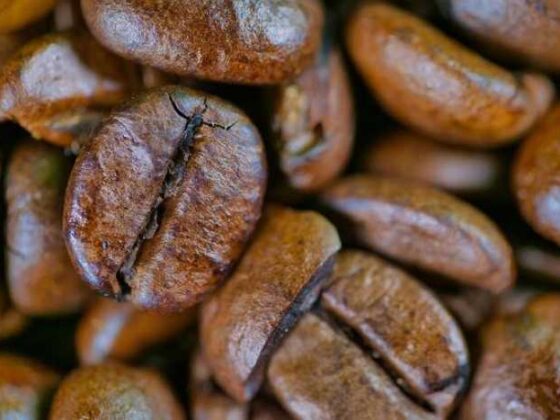
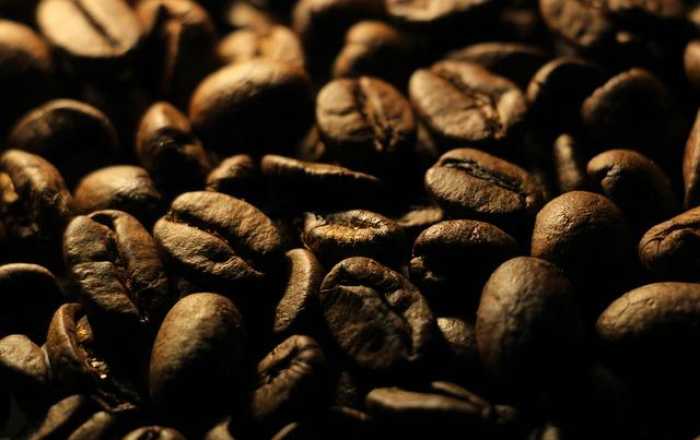
Hey there, coffee lovers! ☕️ Are you ready to dive deep into the aromatic universe of coffee beans? Whether you’re a seasoned espresso aficionado or just figuring out that there’s more to your morning brew than pre-ground supermarket blends, you’ve landed in the right spot! In this ultimate guide, we’re flipping the script on your coffee game, exploring everything from the origins of your favorite beans to the best brewing methods to bring out thier unique flavors. Get ready for a fun, caffeinated journey as we unlock the secrets behind each sip. So grab your favorite mug and let’s brew up some knowledge!
Discovering Different Coffee Bean Varieties and Their Unique flavors
Exploring the world of coffee beans is like embarking on a flavorful adventure. From the lush plantations of South America to the volcanic regions of Africa, each coffee bean variety tells a story through its unique taste profile. Some popular types you might encounter include:
- Arabica: Known for its smooth, sweet flavors with hints of fruit or sugar, frequently enough carrying a winey acidity.
- Robusta: With a higher caffeine content, it’s robust and full-bodied, often exhibiting nutty or earthy tones.
- Liberica: Uncommon but boldly distinctive, presenting a floral aroma and a slightly woody taste.
- Excelsa: This hybrid variety brings tartness and dark fruit flavors that can surprise your palate.
to truly appreciate the diversity in flavors, consider brewing methods that enhance these unique profiles. As an example, a pour-over may spotlight the crisp acidity of Arabica, while a French press might amplify the fuller body of Robusta. Here’s a swift comparison of different bean types and their flavor notes:
| Coffee Variety | Flavor Notes | Best Brewing Method |
|---|---|---|
| Arabica | fruity, Sweet, Winey | Pour-Over, Drip |
| Robusta | Nutty, Earthy | Espresso, French Press |
| Liberica | Floral, Woody | Cold Brew, Filtered |
| Excelsa | Tart, Dark Fruit | Chemex, AeroPress |
Roasting Techniques That Take Your Brew to the Next Level
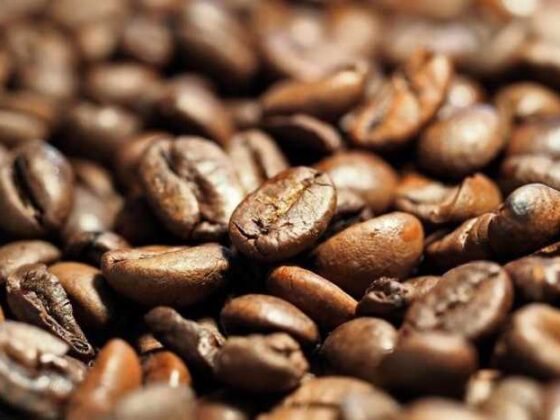
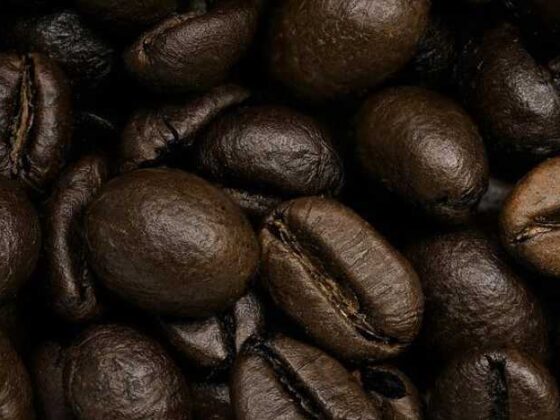
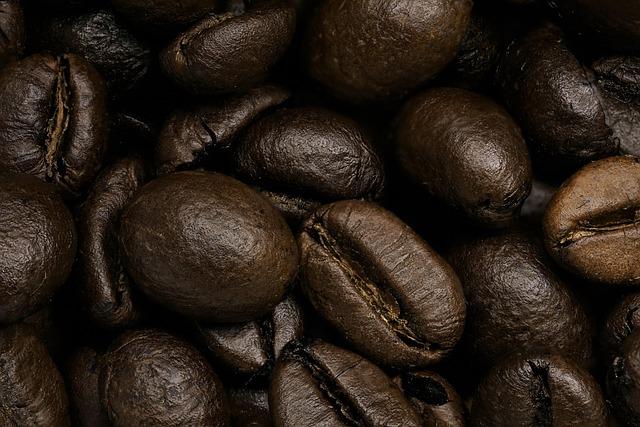
Whether you’re a budding home brewer or a seasoned coffee aficionado, the way you roast your beans drastically impacts the flavor profile of your cup. To elevate your brewing game,start by experimenting with different roast levels. Light roasts tend to highlight the fruity notes and acidity, while medium roasts strike a balance between sweetness and acidity, ideal for those who appreciate complexity. For those who crave bold, rich flavors, dark roasts bring about deep, smoky undertones.Don’t be afraid to explore varying roast times and temperatures; this will help you discover which profiles resonate with your taste buds!
Another killer technique is the use of air roasters, which create a cleaner flavor by using hot air to circulate around the beans. Alternatively, drum roasters provide a more robust flavor thanks to their unique ability to maintain heat evenly throughout the roasting process.Consider using a simple flavor wheel to guide your roasting journey, helping you pinpoint the specific notes you want to emphasize. Combine these techniques with precise monitoring of the beans’ color and aroma for a roasting experience that’s both scientific and artistic!
| Roast Type | flavor Profile | Best For |
|---|---|---|
| Light Roast | Fruity,Acidic | Pour-over,Chemex |
| Medium Roast | Sweet,Balanced | Drip,French press |
| Dark Roast | Bold,smoky | Espresso,Cold Brew |
Brewing Methods for Perfectly Crafted Coffee at Home
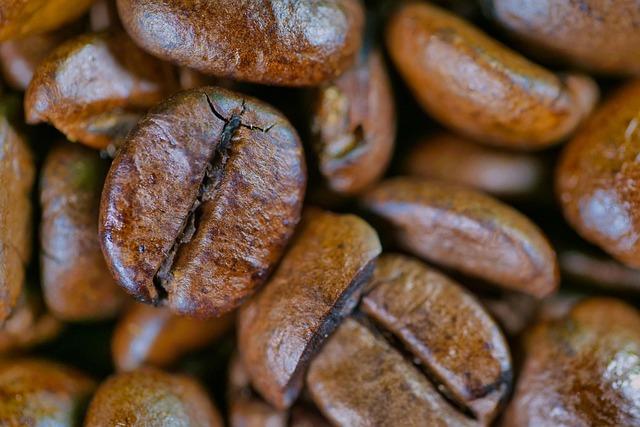
Crafting the perfect cup of coffee at home is all about understanding the diverse brewing methods available and experimenting with them untill you find your favorite. Each technique extracts different flavors and aromas from the beans, so it’s essential to keep an open mind. Here are some popular methods to get you started:
- French Press: This classic method allows for full-bodied coffee, letting the grounds steep in hot water before pressing down the plunger.
- Pour Over: A favorite for many enthusiasts, this method provides control over the brewing time and water temperature, revealing a cleaner-tasting cup.
- Cold Brew: Perfect for warm days, this method involves steeping coarsely ground beans in cold water for an extended period, resulting in a smooth and less acidic brew.
- aeropress: Combining the techniques of both French press and espresso, this gadget creates a rich and concentrated cup of coffee in just a few minutes.
To further spin the magic of brewing, understanding the grind size is key.A coarse grind works well for immersion methods like French Press, while medium to fine grinds suit drip coffee makers and Aeropress. To help you choose the right grind size for each brewing method, take a look at the handy table below:
| Brew Method | Grind Size |
|---|---|
| French Press | Coarse |
| Pour Over | Medium |
| Drip Coffee | Medium |
| Espresso | Fine |
| Cold Brew | Coarse |
Tips for Storing Your Beans to Keep Them Fresh and Fabulous
To ensure your coffee beans stay fresh and fabulous, it’s essential to keep them away from elements that can compromise their quality. Light,moisture,heat,and air are the four main enemies of coffee bean freshness. Storing your beans in an opaque, airtight container is a game changer. Opt for containers made of glass or ceramic for best results; plastic can often retain odors that affect flavor. It’s also a good idea to keep your beans in a cool,dark place,like a pantry or cupboard,rather than on the countertop where they might be exposed to heat from appliances.
sealing your coffee beans properly can substantially extend their life, but you’ll also want to consider buying in smaller batches. Beans are best consumed within a few weeks of roasting, so purchasing just what you need can help prevent waste. If you find yourself with more beans than you can brew in time, you can even freeze them! Just be sure to divide them into smaller portions to keep each part protected from moisture and air exposure when you take it out. Here’s a quick reference table for your storage options:
| Storage Method | Pros | Cons |
|---|---|---|
| Airtight Glass Container | Prevents air, light, and moisture exposure | Can break if dropped |
| Vacuum-Sealed Bags | Great for long-term storage | Less convenient for daily use |
| Freezer | Extends freshness significantly | Can lead to moisture exposure if not sealed well |
Q&A
Q&A: Unlocking the World of Coffee Beans: Your Ultimate Guide!
Q: What are coffee beans, and why should I care about them?
A: great question! Coffee beans are the seeds from the coffee cherry, and they’re the backbone of your morning brew (or afternoon pick-me-up). Understanding the different types of beans can totally transform your coffee experience, allowing you to choose brews that tickle your taste buds just right.
Q: What are the main types of coffee beans?
A: There are four main types, but the top two that steal the spotlight are Arabica and Robusta. Arabica beans are known for their sweeter, softer taste and are usually higher quality. Robusta, on the other hand, packs a punch with a bolder flavor and has more caffeine. Think of arabica as your smooth jazz and Robusta as rock ‘n’ roll!
Q: How do the growing conditions affect coffee beans?
A: Just like tomatoes taste different depending on where they’re grown, coffee beans are heavily influenced by their environment. Factors like altitude, climate, and soil quality can greatly impact the flavor profile of the coffee. High altitude frequently enough leads to denser beans with more complex flavors. It’s a little like nature’s way of teaching us that quality takes time!
Q: What’s the deal with coffee varieties?
A: Within the Arabica and Robusta categories, there are tons of different varieties that each have their own unique characteristics. As an example, the Bourbon variety might be fruity and sweet, while Typica could be more floral and delicate. Exploring these can feel like going on a delicious adventure!
Q: Why should I care about single-origin beans?
A: Single-origin beans come from one specific region – kind of like how a good wine reflects the terroir of its vineyard. These beans can show off the unique tastes and aromas of their home, whether it’s the fruity notes from Ethiopian beans or the chocolatey richness of Colombian ones. They’re like a little passport for your taste buds!
Q: How do I brew the perfect cup?
A: Ah, the age-old question! The perfect cup of coffee depends on your personal taste, but a few basics apply across the board: make sure you’re using fresh beans, get the grind size right for your brewing method (coarse for French press, fine for espresso), and experiment with water temperature and brew time. Don’t be shy about trying different techniques – it’s all part of the fun!
Q: Are there any fun facts about coffee beans I should know?
A: Absolutely! Did you know coffee beans are technically seeds? Plus, the coffee plant can take a few years to start producing cherries, and it can live up to 100 years! And here’s a fun fact to impress your friends: Brazil is the largest producer of coffee in the world, contributing about a third of the global supply. That’s a lot of coffee!
Q: How can I store coffee beans to keep them fresh?
A: To keep your coffee beans as fresh as possible, store them in an airtight container away from light, heat, and moisture. A cool, dark place is perfect. Avoid putting them in the fridge or freezer, as temperature fluctuations can cause condensation, which isn’t great for those delicate beans.
Q: What’s the best way to learn more about coffee?
A: Dive in! Try visiting local coffee shops, attend tastings, and don’t be afraid to ask baristas questions. They love sharing their coffee wisdom! Plus, you can find a ton of blogs, books, and even online courses about coffee. The world of coffee is vast and full of delicious surprises, so get ready to sip and learn!
Q: Can I grow my own coffee beans?
A: You can, but it’s a bit of a challenge! Coffee plants need specific conditions to thrive, like a warm climate and lots of humidity. If you live in a suitable area (like Hawaii or parts of south america), you might just pull it off! Or else, enjoy nurturing that houseplant, and leave the coffee cultivation to the pros.
So there you have it! A breezy chat about coffee beans that’ll set you on a quest for the perfect cup. enjoy the exploration, and happy sipping! ☕️
Closing Remarks
And there you have it, coffee lovers! With our ultimate guide to unlocking the world of coffee beans, you’re now equipped with everything you need to elevate your coffee game. Whether you’re a casual sipper or a self-proclaimed caffeine connoisseur, there’s a whole universe of flavors, brewing methods, and bean varieties just waiting for you to explore.So go ahead, experiment with different roasts, try your hand at brewing methods you’ve never considered, and don’t forget to share your coffee adventures with friends (and maybe a few passionate strangers over your favorite brew). Remember, the best part of coffee isn’t just the deliciousness in your cup, but the journey you take to get there.
Stay caffeinated, keep sipping, and never stop exploring the rich and aromatic world of coffee. Until next time—cheers to your next great cup! ☕✨